Research suggests that it takes only 5–10% of the population of a community, a country, or the world to bring about major social and environmental change.
— G. Tyler Miller
For every environmentalist there has come a point in their lives in which they can no longer turn a blind eye. Maybe that moment took place during their last scuba diving trip where once flourishing coral reefs had now become bleached carbonate rocks. Or, perhaps they saw the news and found out about 1 billion animals were killed during the Australia wildfires last month. Despite how we got here, the path towards becoming more sustainable is close by. This blog will present key introductory information on how to pursue a life of sustainability.
So, what is sustainability?
According to Miller, “sustainability is the capacity of the earth’s natural systems that support life and human social systems to survive or adapt to changing environmental conditions indefinitely” (Miller 4). Or in other words, sustainability is the practice of maintaining current ecological resources for the sake of future generations of living beings. The Earth, on its own, practices sustainability naturally. However, humans are preventing the Earth from doing so in a healthy and homeostatic way. Nonetheless, human social systems can also practice sustainability by making environmentally conscious choices that do not disrupt the natural flow of the environment.
How the Earth sustains itself?
The Earth relies on solar energy to function. The energy provided by the sun allows for plants to grow and produce nutrients. Animals and plants depend on these nutrients to live (Miller 5). Meanwhile, biodiversity is the variety of genes, species, and ecosystems on Earth. Variety is important because it prevents ecosystems from being highly susceptible to change (Miller 5). For example, during periods of hardship a variety of genes or species are necessary to evolve and adapt an ecosystem. Lastly, the Earth also sustains itself with the process of nutrient cycling. It provides the circulation of chemicals and nutrients in the environment (Miller 5). This mainly takes place in water and soil, and the process carried out by various organisms. What solar energy, biodiversity, and nutrient cycling all have in common are that together they sustain all forms of life.
How to become sustainable:
We must first understand the role and necessity of natural capital on our lives. Natural capital is both the resources and services provided by the Earth that allow living creatures, such as ourselves, to thrive (Miller 6). Natural resources include the sun, coal, gas, sand. Meanwhile, natural services or ecosystem services include purifying air, regulating climate, cleaning water, etc. Natural resources and natural services are both necessary or beneficiary to the maintenance of life, especially human life.
However, human activities are currently effecting and degrading natural capital. Despite how much people rely on natural capital, we continue to undervalue them. For example, humans environmentally degrade earth’s natural capital by replacing old growth forests with crop plantations, releasing pollutants into water systems, improperly disposing waste like plastics, etc (Miller 11). According to the UN Millennium Ecosystem Assessment of 2005, human activities have overused about 60% of ecosystem services (Miller 11). The unsustainable use of the planet is primarily due to certain nations’ large ecological footprints. An ecological footprint is the amount productive land and water necessary to sustain a population with renewable resources and provide ecosystem services (Miller 12). This includes providing nonrenewable resources for energy consumption and transportation, livestock production, wiping out forests for cultivation, etc. The WWF found the United States to be responsible for 23% of the global ecological footprint. In addition, we would need five planets if the entire human population used resources at the same rate the average American did in 2012 (Miller 16). Affluence and unsustainable resource use has largely contributed to such irresponsibility and overuse of our natural resources. On the other hand, poverty has also led to environmental degradation. People who are focused on surviving and maintaining their family, usually do not have time to consider environmentally friendly choices (Miller 17). Overall, there are many factors that contribute to environmental degradation of the planet.
Although things are currently looking gloom, solutions can be met! There are a variety of solutions on the individual and holistic level. For example, from the economic standpoint, many environmental economists believe full cost pricing can aid in living sustainably. Full cost pricing provides consumer information about environmentally harmful impacts by putting it on the price tag (Miller 9). For instance, a carbon tax provides the consumer information on how pricey and impactful the cost truly is of a specific product. On the other hand, a political solution on maintaining sustainability calls for win-win solutions. Win-win solutions are compromises that benefit a large amount of people and the environment (Miller 9). Lastly, an ethical viewpoint is vital for creating sustainable solutions (Miller 9). If more people believe they should leave the planet as good or better than they received it, then there could be more accountability and action for environmental reform. Following and supporting this ethical stance can be a solution for promoting world-wide sustainability. For example, it can mark a sustainable revolution. The conservationist, Theodore Roosevelt established 36 national wildlife reserves and the national forest reserves tripled during his term (Miller 20). John Muir, holding a preservationist view, established Yosemite National Park and the Sierra Club (Miller 20-21). Roosevelt, Muir, and other environmental activists have and continue to successfully contribute to the sustainable movement.
Lastly, don’t quit!
The goal is to transition today’s society into an environmentally sustainable one. We start this transition, by first becoming the change we want to see in the World. It does not matter how small or big each of our contributions are, as long as we are doing something. Doing a little is always better than doing nothing! For instance, research suggests that to bring about a major environmental change, it takes only 5–10% of the population of a community, a nation, or the World (Miller 24). Therefore, one person can bring a whole lot of change. And if you still do not believe in an individual’s power I’ll leave you with one last quote by Dalai Lama, “If you think you are too small to make a difference, try sleeping with a mosquito.”
Side Note: My ecological footprint states that if everyone lived like me, then 3.8 earths would be needed. Food and mobility were my greater consumption categories.
Question: Do you think a conservationist view is more successful than a preservationist view when crating environmental policies? And, why?
Humans have an affinity for running away from their problems. However, due to the current state of the Earth, we can only do that for so long. Short term solutions in the form of technological advancements have been brought up and glorified. Meanwhile, the long-term solutions have been pushed away and deemed idealistic or impossible. I argue the change we need is a revolutionary one.
Capitalism will not save us. Rapid population growth, positive feedback loops of reinvestment of profit, and growing scientific knowledge, all suggest an inevitable collapse. Furthermore, capitalism glorifies the concept of inequality. “The limitation to living freely and without want is political: it is about who owns and controls resources” (Lewis and Maslin 2018, 405.) For centuries, the human population have been manipulated and brainwashed hundreds to believe a hierarchical class system is a good thing. There are drastic cases like the caste system in India, but also the lower, middle and upper class system we see today in the USA. This organizing principle of society was introduced for the purpose of replacing the older drive to increase the productivity of the land (Lewis 405). However, this has pushed people to push the limits on their land and allow a class of people to dominate another class (Lewis and Maslin 2018, 405). An example of this abuse is when the French colonized parts of Western Africa. They imposed taxes on the natives living in these areas so they would work harder to make payments. A once delicate balance between man and nature turned into a land grab to feed the capitalistic mouth of their colonizers. Quickly the land became overgrazed and the soil became unsuitable for farming. Due to the insidious organizing principle and residual effects of power hungry colonizers, a lot of desertification remains in West Africa and will take decades to regenerate. If capitalism never entered the fold, perhaps a lot of West African would have continued on in their sustainable practices and nature would have continued to be preserved.
So, if capitalism will not save us then what will? In “Human Planet,” they state human civilization should adopt a policy where a financial payment is made to every citizen, without any obligation to work. The payment is set at a level above which subsistence needs are met (Lewis and Maslin 2018, 406). Although it is not explicitly said, but this sounds exactly like Marxism. Which is not a bad thing! It is policies like these, if done well, can possibly save the planet. A universal base income (UBI) can dismantle our need for consumption by breaking the link between work and consumption. By consuming less by only meeting our needs can lessen environmental impacts (Lewis and Maslin 2018, 406). Furthermore, more individuals will have the power to say ‘no’ to exploitation, more people will attempt to gain the necessary qualifications and work experience, and fossil fuel companies would have the security of income to quit (Lewis and Maslin 2018, 407). Although there are many positives, the incentive for people to work hard and have the drive to invent new technology may be hindered. It really comes down to the question on how much does capitalism drive ambition and work ethic? Also, how far will people go to fight this system?
It is also possible the revolution humans also need is how to allocate resources. For example, E.O Wilson has envisioned the concept of Half-Earth. It is the idea that half of the Earth’s surface is allocated for the benefit of other species (Lewis 409). Therefore, within the protected half there would be a representative sample of Earth’s different ecosystems protected (Lewis and Maslin 2018, 409). This seems like a reasonable idea. For instance, there are other species asides from humans that live on Earth and have a right to this home. In addition, species will need space to move as the climate moves, and where they can move is currently limited (Lewis and Maslin 2018, 409). However, this idea has faced a lot of criticism. For instance, if half-earth were to be imposed then this will cut a lot of industrial farming on land or industrial fishing in oceans needed to sustain a growing population. Today, a lot of how food is produced is at an enormous environmental cost to keep products cheap (Lewis and Maslin 2018, 410). The chapter suggests UBI can counter the cheapness of food, be less environmentally harming, and more nutritious (Lewis and Maslin 2018, 410). Although this is an alternative, I believe a new way of farming can be the next wave. For instance, what if cities locally sourced their food through rooftop gardens, hydroponic instillations, natural composting, etc. This will increase independent growth and resiliency against fluctuating food availability as climate change continues. It will also diminish the amount of land cover needed in rural areas for growing crops.
I believe humans are capable of undergoing a revolution, it is just a matter of when can it occur and if it will be too late. For instance, humans have gone through several revolutions during their lifespan that have changed their way of life. For example, the Industrial Revolution changed the way in which people consumed goods, while simultaneously foraging a different response. In the West, ideas began to change about the natural world changed after witnessing dirty industrialization mucking up the air, water, and pristine land. It is this response that pushed for US-style National Parks (Lewis and Maslin 2018, 410). People have also begun to recognize human action are taking over the Earth’s functioning system. Although the by-product of the Industrial Revolution has been quite powerful in terms of sustainability, it is still important to begin a brand new green revolution. It is difficult to say how this revolution should be run, but I do know it should be run with that of increasing freedom and planetary stewardship.
In conclusion, there is also a large possibility it will soon be too late. For instance, even if humans were to curtail all of their emissions, global warming would continue to occur for at least a while. The emissions we have accumulated and produced is not like a faucet sink that empties into an abyss. It is a waterfall that ripples all the way into the ocean. With this in mind, it is critical to start a revolution. No Paris Agreement or climate change initiatives, at least in my opinion, will be sufficient enough to prevent reaching the 2°C tipping point mark.
Question: How much does capitalism drive ambition and work ethic? Can a UBI really sustain a healthy economy?
As we toss garbage away, it is easy to ignore or forget the garbage’s long life cycle after we use it. For instance, most garbage ends up in the ocean or freshwater system. Meanwhile, garbage can also transform into deadly microscopic pieces of plastics. As we battle pollution, fresh water systems are also facing shortage issues due to overuse. The mismanagement of waterways is negatively impacting the health of both animals and humans. However, there are solutions capable of solving the current mismanagement of the world’s marine and freshwater systems.
One form of mismanagement is the government allowing and subsidizing irresponsible water use. If this mismanagement continues to progress, it can soon result in a mass water shortage. A solution to this mismanagement includes regulating water use by implementing full-cost pricing of freshwater. In South Africa, they implemented full-cost pricing, but also established “lifeline rates” in the face of raising water prices. Lifeline rates are providing a household the free or low-priced water to meet basic needs, but when the user exceeds the allotted amount they pay increasingly higher prices (Miller 2018, 342). This is an effective measure because it deters people from being wasteful, while not disproportionately effecting people of low-income. Another strategy the government can impose is providing subsidies to farmers that wish to improve water use efficiency. Instead of subsidies for cheap water prices, a more efficient alternative is to eliminate or reduce the need for more water (Miller 2018, 342). For instance, only about 60% of the world’s irrigation crops reach crops due to water loss during transport (Miller 2018, 342). Investing in methods, such as drip irrigation, can both lower the demand on freshwater and diminish how much farmers spend on water. Drip irrigation systems have proven to reduce water waste by 90 to 95 percent (Miller 2018, 342). Another solution to prevent irresponsible water use is by creating recycling systems for grey water across cities or suburbs. For instance, about 50 to 75 percent of gray water used in a typical household can be recovered and stored. The grey water introduced through bathtubs, showers, sinks, and washing machines, can then can be reused to irrigate lawns, flush toilets, and wash cars (Miller 2018, 345). If more cities were able to reuse greywater, it will greatly diminish the amount of water required to be pumped from outer city reservoirs. More importantly, there will be more available water in reservoirs to help recharge the system and be readily available for future generations. Overall, governments across the world have been mismanaging water use due to irresponsible subsidizing or lack of water sustainability policies, but there are so many available solutions that can be taken advantage of in order to prevent mass water shortage.
Preventing mismanagement of water use can also begin at the individual level. One can do this my measuring their water footprint and make steps towards turning it into a sustainable amount. My total water footprint is 1,149 m3 per year. In comparison, an Olympic sized pool is 2,842 cubic meters. I believe the main reason on why my water footprint is so low is because I live in a city. For instance, I do not have a pool or need to wash my driveway. Although I have a car, I do not wash it as much as I should. But, the fact I wash my car maybe once every other month is good for the environment!
Although this may be controversial, dams are arguably also a form of mismanagement of freshwater systems. For instance, dams are hailed for providing hydroelectric power and help manage stormwater, but they also cause a host of environmental problems for freshwater biotas. For example, dams can cause the collapse on delta ecosystems. The Colorado River once emptied into a delta that hosted forests, lagoons, and marshes rich in plant and animal life. Since the delta’s collapse, the wildlife have fled and the coastal fishery is quickly disappearing (Miller 2018, 336). However, this mismanagement can be solved by no longer building new dams and taking down old or noncritical damns. Opening floodgates or taking down dams have shown to recuperate wetlands. For example, the floodgates for the Morelos Dam in Arizona were opened for 2 months in 2014. The water from the dam was released through the delta into the Gulf of California. Then, the release led to thousands of trees beginning to grow along the river’s bank and the groundwater became partially recharged (Miller 2018, 338). Due to the harmful impact of dams, it is necessary to switch tactics on using dams for stormwater management and energy.
Asides from freshwater, the oceans is also suffering from mismanagement. For instance, unsustainable and copious amounts of pollution are being constantly released into marine waters every day from countries all over the world. As a matter of fact, there are actual garbage patches floating in the middle of the North Pacific Ocean near the Hawaiian Islands. The garbage patches consist of plastics and solid wastes. The deadlier waste is plastic because it cannot biodegrade, accumulates, and breaks into smaller microscopic pieces. Microplastics can also contain and release potentially hazardous chemicals, such as PCBs, DDT, and BPA (Miller 2018, 559). This is dangerous to the marine fishes, birds, and other animals that ingest these plastic bits unknowingly. Meanwhile, it can be harmful to humans due the fact that when these animals die or are captured by fisherman, the plastic remains in their digestive tracts. Therefore, humans who eat fish or other marine life are also consuming microplastics (Miller 2018, 560). However, the true victims of pollution are marine animals. In 2007, a dead whale with 180 kilograms of plastic in its stomach washed ashore in California (Miller 2018, 560). Although this problem is vast and continues to grow, there are possible solutions available. One of the more efficient and seemingly simpler solutions is to reduce plastic use world-wide. In NYC, they have recently implemented a cost on plastic bags in order to limit plastic use. The Bag Waste Reduction Law is expected to be as successful as other similar laws put in place throughout the United States and other parts of the world.
In conclusion, there are solutions available for managing ocean and freshwater systems properly. It is simply a matter of pushing ourselves, our government, and other countries to unite in reducing wasteful water practices and minimizing water pollution.
Soil has the miraculous capability to grow the food that every animal directly or indirectly depends on. Since the beginning of civilization, humans have been damaging soil with harmful farming techniques. A lot of the past’s mistakes can be blamed to ignorance, but in today’s age we know better and have the tools to be better. In this paper, I argue that shortcuts to mass food production are what is contributing to today’s soil degradation.
Farming is a natural process that involves planting seeds in the ground and allowing ecosystem services to nourish the seeds into fruits and vegetables. However, over the past decades more people have been using shortcuts for faster and larger yields. Shortcuts include the use of fertilizer, pesticide, and insecticide. Sadly, the use of these products are only short-term solutions that end up slowly degrading the soil and infecting consumers over the years. Furthermore, they have become unsustainable and unnecessary. For example, artificial fertilizers are only inserting chemicals into the ground. “It’s like instead of feeding your children a balanced diet, let’s just feed them vitamins.”[i] Artificial fertilizer also becomes costly on the farmer and environment because most of the nitrogen is lost and not absorbed by the plant. The excess nitrogen is then leaked into the water supply, eutrophication occurs in lakes, dead zones in the ocean, and nitrogen is released into the air. For instance, corn production is the prime crop causer for the dead zone. However, fertilizer is only one of the many shortcuts. Insecticides and herbicides are also leading to a downward chemical cycle. For instance, farmers are using a deadly cocktail of pesticides that are killing keystone insect species. The use of insecticides is one of the prevailing theories on why we see diminishing populations of pollinators. Without pollinators, we will see a massive decline in food sources for the species of this planet. Meanwhile, dung beetle are also known to be affected by parasiticide. My favorite insect – the dung beetle – is known for regenerating soil and increasing soil productivity. Overall, shortcuts that include intensive chemical use can only maximize profits for so long. At first, these shortcuts seems like a cure all, when in reality they are amplifying problems for the future.
There are various studies and scientific literature on sustainable and efficient farming. It was found that compost has the capability to renew and regenerate soil. For instance, once the organic material is disposed, it can then be reused as natural fertilizer in farms. Compost helps feed soils starving for organic matter. After two to three years of using compost, the soil will change because it now has organic material. Meanwhile, artificial fertilizer is no longer needed, because compost is providing the extra nutrients the soil can use. Although compost is an extra step, it will lead soil to regenerate at its own pace within its natural cycle. Speaking long-term, there should be no problem with farming every year and growing yields of crops. In Burlington Vermont, they started compositing and spreading the compost throughout fields. It changed the farming culture in Vermont, because fields were no longer infertile but now rich with nutrients. Currently, Burlington produces about 10% of its own food. Many old cities have forgotten that land next to rivers still have soil and can be brought back to life. Composting is certainly not a shortcut, but the extra work yields the best results for long-term sustainable farming.
Excessive irrigation is another massive problem involved with soil. For instance, many people excessively water their crops, instead of focusing on techniques that will improve the health and water retention of soil. In farming, it is more important and effective to focus on soil retention rather than throwing copious amounts of water at the problem. For example, in India there was a “drought” occurring that left land parched and infertile. However, it was found that there was no drought because rainfall was the same as the prior year. The land was dry because the soil retention was different from the previous year. For instance, the current year they planted new seeds that lessened the amount of straw, thus diminishing available organic matter in the soil. Without organic matter, the soil was unable to retain water properly and the top soil was being washed away during rainfall. This created infertile soil, soil erosion, and an inability to retain water. The soil was redesigned and changed the amount of water needed for crops to grow. This could have been prevented if people focused on the health of the soil, instead of other factors. Another one of the major impacts of irrigation on soil is salinization. Salinization can occur because water contains low levels of saline. When a lot of water is evaporating, then a lot of the salt is being left behind in the soil. This changes the entire pH of the soil and what kind of plants can be grown. Not only is intense irrigation use a problem with soil, but it is also instigating an ongoing concern of freshwater availability. About 70% of freshwater is being diverted to agriculture. Water levels diminishing all over the world. In China, ground water is nearly gone because a lot of their grain needs water. Meanwhile, the USA’s water table has gone down by half since 1960. Overall, focusing on unsustainable irrigation can have dire consequences, meanwhile focusing on healthy soil that is able to retain water more can be the ultimate solution to future, successful agriculture.
In conclusion, it has become increasingly clear that farming is not well suited for big corporations. Big corporations try to maximize profit through shortcuts, and do it with little thought to how it will affect the environment or consumers. Food should be a relationship between the farmer and the consumer. Furthermore, agroecology is what can save farming, not nanotechnology and bioengineering plants. Shortcuts have been proven to be useless in the long-term. Therefore, it is time to eliminate pesticides, artificial fertilizer, and excessive irrigation. Perhaps the next agricultural revolution we will see soon is a sustainable one.
Environmental injustice is present all over the world. It is in Flint, Michigan, where people haven’t had access to clean water for the past year. And then you can see it in our own backyard – the South Bronx. Children who live in the South Bronx streets are 8x more likely to grow up with asthma or other respiratory problems. Poor urban communities have taken the broken end of the environmental justice ladder, along with other injustices. The United States government has create an abundant and comprehensive amount of legislation to reduce water and air pollution.
The United States government has seen environmental issues disproportionately impact the nation and has created environmental agencies, in response. For instance, the Environmental Protection Agency was created in the 1970s. The agency in in charge of enforcing legislation, such as the Clean Water Act, Safe Drinking Water Act, the Clean Air Act, and an assortment of others. “The Clean Air Act of 1990 authorized an emissions trading, or cap-and- trade program, which enables the 110 most polluting coal- fired power plants in 21 states to buy and sell SO2 air pollution rights.” Between 1990 and 2012, this emissions trading program reduced 76% of SO2 emissions from power plants in the United States.[i]
Another major legislation effort, in part of the United States, includes the Clean Water Act. The Clean Water Act is one of many legislative acts put forth by the government to help mitigate water pollution. However, the EPA also takes reign of other regulatory water acts, such as the Safe Drinking Act (SDWA) of 1974. While the CWA focuses primarily on the regulation of surface waters (rivers, lakes, and some areas of the ocean), the Safe Drinking Water Act regulates drinking water.[ii] The SDWA regulation comes in the form of enforced drinking water standards, actions to protect groundwater from contamination, and subsidies for cleaner drinking water.[iii] The main difference between the CWA and SDWA is that the CWA does not directly regulate groundwater contamination. Instead, other acts such as the Safe Drinking Water Act, Superfund Act, and Resources Conservation and Recovery work in unison to protect groundwater. Overall, there are many pieces of legislation that directly or indirectly work together to provide protection of the country’s waters from water pollution.
Today, over half of the United States rivers and lakes are in violation of environmental standards.[iv] To put that in the perspective of human health, roughly 4 to 28 percent of Americans in a year have drank water from systems that have violated codes on health standards.[v] Therefore, it makes sense that polls have shown water pollution to have been a top environmental concern for the past thirty years.[vi] People depend on clean and viable water for almost everything. It is used for hydrating ourselves, farming the plants we eat, bathing ourselves, and so much more. About only 3% of the world’s water is fresh, but even then only 0.5% of its accessible due to the large majority trapped in glaciers and snowfields.[vii] The Clean Water Act has aided and continues to aid against the various forms of water pollution released into its nation’s waters, but water pollution remains a present concern and a main issue for debate across the country.
As for toxic waste, the main legislation is the Superfund Act. However, currently, there is no legislation on municipal waste. Municipal waste is mainly handled on the state level. For example, In 2013, there were 20 U.S. states that banned the disposal of computers and TV sets in landfills and incinerators.[viii] This ban has created a profitable e-cycling industry. [ix] In 2013, 13 states along with New York City made manufacturers responsible for recycling most electronic devices. [x] Increasing numbers of scientists and economists have been calling for a U.S. federal law to institute a cradle-to cradle approach that would require manufacurers to take back all electronic devices they produce and recycle them domestically. [xi] Under waste legislation, the Toxic Substances Control Act has been in place since 1976. It regulates the safety of the thousands of chemicals used in manufacturing and contained within products. Under this law, companies notify the EPA of new chemicals entering the marketplace
About 71% of the planet is covered in seawater. Although the ocean is so vast and grand, it is important to not downplay the oceans role on Earth and how vulnerable it can be to changes. The paper will focus on how marine life in oceans are responding to changes in climate and human activity.
One of the most vulnerable habitats being impacted by climate change are coral reefs. Since the 1950s, about fifty percent of the shallow, warm-water coral reef systems across the world have been destroyed.[1] Threats to coral reef systems include overfishing, pollution, coastal development, excess carbon dioxide in atmosphere being absorbed by the ocean, warmers ocean waters, ocean acidification. [2] However, one of the greatest impacts to coral reefs is coral bleaching. Due to the threats listed, areas of the ocean with once perfect conditions for coral growth are not unhospitable. For example, high levels of dissolved carbon dioxide and ocean warming are leading to the calcium carbonate in ocean dissolve. The calcium carbonate is critical for coral polyps to build reefs.[3] For example, the Great Barrier Reef is currently subsiding at an extreme rate and a victim to coral bleaching. I studied abroad in Australia last year, and during my time there I remember the locals telling me that within ten years they can already notice drastic reductions in coral availability at the GBR. They say it is still beautiful, but it is nowhere what it used to be. Imagine, within a decade someone can already see drastic changes to one of the most biodiverse and largest critical habitats for marine animals. However, the Nature Conservancy concludes the world’s shallow coral reefs and mangrove forests may survive climate change if efforts to eliminate overfishing and pollution are made.[4]
Marine animals are also being impacted by human activity in the form of garbage disposal, disruptive fishing techniques, illegal harvesting of fins, etc. For example, partially decomposed particles of plastic items wash ashore and kill up to 1 million seabirds and 100,000 mammals annually.[5] In the trailer of “Great Pacific Plastic Garbage Patch,” it photographs images of dead seabirds with plastic filled in their digestive tract. Even in the remotest islands, sea birds are dying from eating non-decomposable plastic pieces. As for larger species, sharks are also being greatly impacted by human activity. They are the targets of shark finning due to the high economic value of fins. For instance, a whale sharks dorsal fin is worth up to $10,000. Due to a bad reputation (thank you Jaws) and high economic value, multiple of species of sharks are being threatened to extinction. Sea turtles aren’t faring well, either. Sea turtles have been wiped out by 95% in the last 100 years.[6] One of the severer threats on sea turtles are trawler fishing. Trawler fishing destroys coral gardens and sea turtle feeding grounds. Meanwhile, the beaches in which baby sea turtles hatch are being impacted by motor vehicles and artificial light that disorient baby sea turtles. Plastic garbage also threatens sea turtles because plastic can be mistaken as food or they can get caught in plastic rings. For instance, we all have seen the video of the sea turtle with the straw stuck in its nose. The good news is that since 1990, fishing regulations have reduced turtle deaths by 90%.[7] However, most marine animals are not thriving under the threat of human activity.
Meanwhile, climate change is another grave threat on marine animals. For example, threats of climate change can impact keystone species. For example, the global phytoplankton population has dropped about 40% since 1950. Phytoplankton account for the production of about half of the earth’s oxygen, absorbs large amounts of carbon dioxide, and a food source for other aquatic animals. However, phytoplankton do not do well in acidic environments, therefore have been dying in response due to ocean acidification.[8] Climate change is also expected to impact the amount of available fish, not just phytoplankton, in the ocean. For humans this is especially bad because we rely on fish for a substantial part of our diet. About 87% of the world’s ocean fisheries are being overharvested at full capacity or overfished.[9] If humans are already hitting limits in harvesting fish, climate change will only exacerbate this.
Before ending this dreary post on how humans are destroying the oceans, I would like to end with a happy story. About 46 years ago, the Atlantic Puffins off the coast of Maine were nearly wiped out due to hunting.[10] In an effort to bring them back, Dr. Kress and his team translocated baby puffins from Newfoundland (area of abundant puffins) to Maine. He would place the chicks in individual burrows and feed them daily. [11] The goal was to release the puffins to sea and hope for their return to establish a breeding colony. And, it worked! After a couple of years, the puffins came and established a colony. There are now hundreds of puffins at Seal Island National Wildlife Refuge. Although this is a really nice success story and love to hear it, I wish there was a bigger focus of preventive efforts from the government, rather than restoration efforts. Restoration projects have a lower success rate for a species and are often more costly than preventive enforcement. Also, it is difficult for a species of animal or plant to restore itself to its previous full potential.
In conclusion, the oceans are being used as both a sink for garbage and a source for food. It is unfortunate that the ones who pay the price for our conscionable actions are the defenseless and innocent marine animals. Ocean and the marine life within the deep seas have the capability of bouncing back. However, it may not be at a rate that can sustain the impact of human activity and the human activity prompting climate change.
Question: Even if we can reduce poaching and improper waste disposal, how do we get people from doing it again in a couple of years?
The Earth is home to all species of plants, animals, and other organisms down to the microscopic level. However, humans have been acting as this kind of wrecking ball on the Earth by disrupting ecosystems through forest deforestation, fossil fuel emission, overfishing, etc. To counteract past mistakes, it is vital for society to implement sustainable solutions and planning. This blog will explore the various sustainable strategies on the basis of their inclusivity, scientific backing, and understanding.
Before exploring possible sustainable solutions, the definition of sustainability should be discussed. According to Miller, in respect to the natural environment, sustainability is the ability of the earth’s natural systems to survive and adapt to changing environmental conditions indefinitely.[1] In Miller’s definition, it is the responsibility of the Earth to remain sustainable when faced with changing environmental conditions. However, the definition fails to mention the impact humans have on environmental changes. Not only are we the major determinant, but we are creating such drastic changes that the Earth cannot even keep up. The Earth practices sustainability through a means of checks and balances. However, humans are preventing the Earth from adapting in an efficient and homeostatic way. Therefore, it is not only the Earth’s responsibility to stay sustainable, it is also on humans. Sustainability is now defined (by me) as the ability of the earth’s natural systems to adapt to changing natural environmental conditions and human-induced environmental conditions. The human-induced impact are addressed in the various sustainable strategies to be discussed.
The first sustainability strategy that will be examined is the “1992 World Scientist’s Warning to Humanity.” The piece is a brief strategy on how nations can become more sustainable. First, the scientists identify the key areas that need to be focused on – the environment (the atmosphere, water resources, oceans, soil, forests, living species) and population management.[2] Next, they discuss five areas within the environment and population categories that are to be addressed. The points like “we must reduce and eventually eliminate poverty” and “we must stabilize population” discussed are quite vague. I understand the importance of creating a document that is readable so all members of a population can understand it, but with that comes a lack of information. Furthermore, a short document can be effective because more people are willing to read it and in its entirety. However, the drawbacks of a brief document means open interpretations with a lack of understanding of key threats to sustainability. For instance, these multifaceted issues are discussed in broad and relative terms. Even if the reader does gather an understanding of these sustainability threats, they are left with no real solution on how to tackle these problems. Furthermore, I disagree with how the document puts a lot of emphasis on how it’s a nation issue. It does not address state, local or personal solutions, nor warn on localized unsustainable habits. On the other hand, this document does succeed in warning the public on oncoming climate change impacts by producing alarming facts and impending consequence of unsustainability. Although, the document would be more effective if it diverts focus on explicit sustainable solutions that people at all levels can join in on.
While the “1992 World Scientist’s Warning to Humanity” has a strategy of warning nations to do something, the “World Scientists Warning of a Climate Emergency” creates a sustainability strategy based on scientific information. The first portion of the statement includes important scientific information leading to climate change. The scientists display graphs of tree cover loss, renewable and nonrenewable energy use, and ocean acidity. Furthermore, they graph the most affluent countries and GHG emissions and formulate a link between the climate crisis and the excessive consumption of a wealthy lifestyle.[3] Based off all the scientific information, the scientists include six steps that governments, businesses, and individuals can take to lessen the impact of climate change. The solutions focus on: energy, short-lived pollutants, nature, food, economy, and population. Each step includes a short paragraph of various informative solutions available in addressing each category. It also highlights key components to focus on. For instance, in the “nature” section it includes key areas to protect such as forests, savannas, grasslands, wetlands, coral reefs, etc. Next, the paragraph also includes solutions to protecting these ecosystems. Solutions are curtailing habitat and biodiversity loss, protect forests that already sequester carbon rapidly, and encouraging reforestation. Overall, the sustainability steps are effective due to the brief descriptive and scientific evidence to support the necessity of each of their steps. Meanwhile, the steps are also inclusive and can be implemented by any one person or governing body.
Unlike the other two, the “Millennium Ecosystem Assessment” is a massive document. The sustainability objectives revolve around “ecosystem services.” Ecosystem services include provisioning services such as food, water, timber; regulating services that affect climate, water, air quality; culture services in the form of aesthetics, spiritual practice, recreation; and supporting services like soil formation, nutrient cycling, and photosynthesis (preface). Like “World Scientists Warning of a Climate Emergency” a lot of the information in the MES is based on scientific literature and peer reviewed articles. However, both scientists and people from private sectors, local communities, and indigenous people added to the document. About 1,360 experts from 95 countries were involved in the assessment’s development.[4] The document is a detailed, comprehensive guide for “decision-makers” about: the ecosystem change in the last 50 years, gains and losses from ecosystem change, ecosystem prospects for next 50 years, and reversing ecosystem degradation. I applaud the MES for being extremely comprehensive and supporting their claims with abundant factual data. However, it is an intimidating document with so much information that readers, like myself, get lost in the graphs and have difficulty pinpointing key information. Therefore, it begs the question – is this document intended for everyone or just academics? More importantly, can it be used by every type of “decision-maker?” Overall, it is important to have complete and factual data on climate change impacts, but if the purpose of the document is to influence sustainability at all levels of society then it should also be readable at all levels.
In conclusion, many sustainable strategies have been created for society to use in the face of this climate crisis. In this blog, I have examined popular strategies on the basis of their inclusivity, scientific backing, and comprehension capabilities. The finding was that each strategy has their own unique strengths and weakness. What strategists must keep in mind, when developing climate change strategies, are what are their goals? If it is to be informative, then a scientific, detailed approach should be created. If it is to promote inclusivity, then the strategy must be concise and readable for people of all levels. Lastly, if a document wishes to promote innovative sustainable thinking, then a vague outline can promote creative, sustainable thinking. However, if the strategists have a set clear plan they want others to follow, the approach must be clear and include details.
Word Count: 1206
Q: What type of strategy do you believe works best at the local level?
Blog Post 2: Systems
The planet is a vast and complex system. Like most systems, everything within the planet is interconnected. The strength of this connection is what has allowed ecosystems to thrive, while simultaneously absorb natural and human impact. This interconnection can be discussed in the form of energy usage, forests, water quality and biodiversity of species. The most disruptive piece towards the natural flow of the planet, acting almost like a tumor, is human activity. This paper argues the severity and reach of harmful human activity on the planet, especially when the planet is so deeply interconnected.
Energy is a critical component of the Earth due to its connection to life forms. For example, energy from the sun provides energy to the lowest trophic level – producers. However, energy comes in various forms asides from the sun. The harnessing of different forms of energy is what has advanced civilizations across the world. In the United States and across the world about 90% of commercial energy comes from fossil fuels.[5] The emissions from fossil fuel based energy has come to impact the world’s climate system. Greenhouses gas emissions, such as carbon dioxide and methane, are emitted into the planet with each puff of smoke from a factory, car, or other emitting source. In turn, the more greenhouse gasses in the planet means more heat-trapping particulates. This impacts the entire planet because we all share the same atmosphere and we only have one atmosphere. Therefore, a rise in temperature from the increase in greenhouse gasses can mean rising sea levels, changes in storm activity, or longer drought periods depending on where you live in the world. One input in the system, such as in the form of energy manipulation, means another output released from the system. However, these input and outputs work in a cycle and are also capable of feeding off each other. Overall, due to humans producing emissions from energy and smogging up the atmosphere, the other earth processes like climate regulation and water quality are becoming disrupted and dually effecting each other.
As briefly stated, plant growth is a product of the sun’s energy and another piece of the system that is included in sustaining the Earth. Unsurprisingly, human activity has impacted the quantity and quality of plant growth, thus disturbing the natural services they provide. The major limits to plant growth are due to human-related drivers like farming, sprawl, and resource extraction. A key driver is the deforestation of large and/or native forests. Deforestation can intensify climate change impacts because it prevents trees from being able to sequester carbon at full potential. The ability to sequester carbon at full potential is critical during a time we endlessly emit greenhouse gasses. Furthermore, large-scale loss of trees has the power to change regional weather patterns and prevent proper regrowth of forests.[6] Therefore, cutting down acres of trees can very well impact the amount of rain you get for the year. On another point, the material necessary for vegetation growth is also being degraded. Without soil, it is difficult for forests to grow because not enough tree roots can keep soil in place to prevent disastrous mudslides. Removing plant cover can also expose soil to become easily eroded by water and wind. This can devastate the fertility of soil because it takes hundreds to thousands of years to build topsoil.[7] Farming has become increasingly difficult in the face of desertification, while the demand for food has only been growing. Human activity, like clear cutting forests in the Amazon, has the reach and ability to reduce food availability, destroy habitats, change atmosphere patterns, and wipe out an area’s soil fertility for hundreds of years until topsoil is regained. Talk about an interconnectional impact on the planet, am I right?
Water is also being effected! The scope to which we dump waste, especially plastic, has the capability to reach even our most pristine, protected body of waters. For example, microplastics can be found in almost every water source in this planet no matter where you are. In fact, according to Statista, the United States has the highest content of microplastics in its water. If this is hard to believe, one must only look at the bits of microplastic or even regular sized pieces of plastic found in the bodies of many deceased marine animals. However, humans are not only disposing plastic improperly. Corporate industries or even individuals are releasing harmful chemical pollutants into water systems. This can impact water quality greatly because water has properties that allow it to dissolve different compounds. Natural filtration processes are in water systems to purify water, however if over-burned this process can take a long time. Therefore, water has the capability of building up in pollutants, reaching high pH levels, and can carry disease. The water system is a delicate part of the planet that can easily be tainted and can only naturally supply clean water for so long and for so many people. It is important to take note the reach of what can occur to water system when unsustainable practices are taking place. Not only do humans suffer from lack of access to clean drinking water, but also animals that depend on clean water to live in or to drink from.
Microplastics
As mentioned, animals are often the ones who are most greatly and indirectly impacted by human activities. What was not mentioned was how human activities have directly impacted animals, thus disrupting the delicate ecosystem along with it. Humans have wiped out predators (wolves, cougars, mountain lions) and prey (bison, passenger pigeons, etc) in large-scale, thus changing the ecological web. Each species does something important for the ecosystem. According to Miller, there are four major ecosystem roles for species – native, nonnative, indicator, and keystone. For example, invasive species are extremely threatening to natives. In the case of the wild African honeybees, the species quickly became invasive and lethal towards native honeybees. For example, in 1957 when the bees were introduced in Brazil they began displacing many of Brazil’s native honeybee populations. The killer bees then spread throughout South and Central America and disrupted the native bee population.[8] However, unlike many invasive species, but equally impactful, keystone species are the backbone of the health and well-being of certain ecosystems. An example of a keystone species is the American Alligator in the Southern United States. They are known to dig depressions surrounding the wetland. The holes are important because during times of droughts other aquatic animals use the depressions as refuges. They supply freshwater and food for insects, birds, turtles, etc. The mounds also prevent vegetation from creeping into the open water. Depending on the type of species, they can have tremendous influence on the health and survivorship of an ecosystem. Therefore, when human activity wipe out species due to pest management, fur-trade clothing, recreational hunting, or the introduction of an invasive species, it can collapse the system (food web or habitat availability) these animals depend on.
American Alligator
In conclusion, the actions and decisions we make have consequences. It may not look like we are disrupting the balance of the planet because it can absorb so much, but there is a cap. Currently, the impacts are leaking into our water, thermal regulation, air quality, biodiversity, and other planetary systems. Harmful human activity must be stopped, or at least diminished. It is a gift the Earth is able to interconnect and absorb so much, thus create life. But, it also screens us from seeing the true impact of our decisions.
Word Count: 1265
Question: Can all the scientific evidence in the world truly depict the type of damage human activity is unleashing on this planet? How much is being unnoticed?
Blog 3: The Power of Information and Misinformation
Throughout the years, society has had differing opinions and philosophies towards humanity’s role in the environment. It is these ideas that shape society and can influence the current generation, thus effect future possible change. This paper argues the power of information and how it can revolutionize a society’s mindset on the environment.
The Industrial Revolution is deemed the birth of technological advancement. This was a time of opportune thinking, yet blissful ignorance of what emissions from automobiles or textile mills can do. By the middle of the nineteenth, industrialism was able to feed a consumerism mindset with the introduction of mass-produced goods. This would not been so consequential towards the environment if industrialism didn’t take land, animals, plants, fuels and minerals in enormous and unsustainable quantities.[9] For instance, textile factories started popping out all throughout cities to feed the insatiable desire for clothes from the public. The Industrial Revolution quickly started a new era and mindset of a race to consume goods. Where once people farmed and exchanged goods for services, factories and cities were now making way. Taking earth’s resources, such as coal, for economic reasons became the norm. However, no one truly knew the impact of depleting resources. Therefore, the majority of people were happily embracing the new social change. This ignorance, yet hunger to have, is what influenced a movement of doing whatever was quick and economically prosperous. The industrial revolution created a mindset to consume, thus influenced a social attitude that had little to no remorse for what was happening in the environment.
However, during the end or past the Industrial Revolution, different forms of environmental ideologies began taking place. For example, the concept of romanticism was birthed by environmentally inspired painters, poets, and writers. The artists saw “the sublime” in wilderness and depicted it in their art. The sublime was “a feeling of awe and fear at the transcendent power of God.”[10] Meanwhile, the romantics saw no correlation between human progress and the supremacy over nature. Instead, the idea was that human progress submits to or is concord with nature.[11] Artists proposed ideas of respect for the environment through their art. The romanticism movement soon acted as a transition into the environmentalism movement. For example, George Perkins Marsh noticed how humans were changing and disrupting the planet on a geological scale. Therefore, he believed because people can change the Earth, then they also have a moral responsibility to manage it.[12] Environmental economist, Herman Daly, criticized how unnatural economic growth is, thus how dangerous it can become. For example, in the natural world there are checks and balances. Products can be easily broken down into basic elements to be reused or organisms use what is available nearby to live.[13] However, the economy is none of those things and can have infinite expansion. Or can it? It was this new way of thinking that changed people’s ideas and philosophies. With the romantic era came the development of ideas of George Perkins, Herman Daly, and others, thus became the philosophical and conceptual foundation for an environmental movement.
Soon these philosophical ideas were no longer ideas, but ideas put into action. A new mass green movement was initiated. During the 1960s, people started seeing the consequences of environmental degradation. For example, Rachael Carson in Silent Spring revealed how DDT in insecticide was impacting human health and the environment.[14] DDT was being stored in the fatty tissues of the animals we eat and the chemical was entering into the water table. She was also able to reveal to the nation that the “consumption in industrial society could erode the very fabric of life.”[15] The DDT scandal was just further evidence of how over consumption and industrial manufactures care little for the public, much less the environment. Soon after Silent Spring, the concept of climate change was also recognized. Fueled by environmental philosophies of humanly and earthly interconnection and personal responsibility to the environment, activists started nation-wide rallies and movements for greener practices. For example, environmental movements, such as Earth Day, were created to help progress and inspire environmentally friendly agendas. With more scientific information and environmental philosophies, people were equipped with the necessary ammunition to spark mass movements on sustainability.
Currently, there has been a massive green movement on eliminating or diminishing practices that contribute to climate change. However, huge corporate industries and corrupt politicians have been denying the existence of climate change and building new pipelines for fossil fuel combustion. They have seen the mass movement on green technology and green ideas and have been meddling in. As I argued before, the mindset of the public is what is critical for mass movement. Therefore, huge coal and natural gas companies or massive business tycoons have been attacking the mindset of the public. They do so by calling environmentalism and green initiatives economically destructive and even religiously threatening.[16] They also fund climate change denier scientists to fabricate fake research or pursue other false conclusions on why global warming is occurring. These corporations will even go as far to dismissing influential environmental scientists and discrediting climate change. However, other villains are the corrupt politicians who are funded by giant corporate heads, like the Koch brothers. They put forth policies that only support nonrenewable companies and assign incapable officials to department heads, like the EPA or Department of Interior. Even President Ronal Raegan, in the pockets of major corporations and nonrenewable based companies, dismissed acid rain and weakened the EPA with corrupt officials and a small budget.[17] Overall, misinformation can also have power and lead to conservative environmental initiatives and/or destructive choices in presidential candidates.
Koch brothers (top tier evil)
As we speak, major corporations and corrupt politicians are making significant impact on how the public currently reacts to climate change. This comes in the form of anti-climate change remarks and false scientific news broadcasting. If that were not enough, many environmentalist and scientists also believe public policy is far too slow for the urgency of the problem.[18] It all seems very bleak. However, information is power. As people of this planet, we must begin to reprimand misinformation, combat ignorance with environmental education in school, and to inform before canceling or criticizing our peers. Correct information can progress that nation and other countries into an environmental movement that builds green policies and initiatives.
Word Count: 1106
Question:
Is climate change a “polarized issue” or an issue that has become polarized because of misinformation networks?
Blog 4: Advocate
The decisions we make on the environment today ripples into the future. It can be as catastrophic as the Chernobyl disaster or a plastic straw in the ocean, but no matter the magnitude each decision has a consequence. Even more daunting, the impacts can metamorphize into even larger and horrendous impacts over time. So, how do we protect the victims of our daily decisions? A difficult victim group to advocate for is the one that is not alive yet – the future generation and our future selves. In this paper, I argue the effectiveness and importance of advocating for the people of tomorrow through the court system.
It is important to advocate for future generations through the United States judicial system because the United States has large culpability, and soon the impacts of climate change will worsen and become disproportionally more lethal on future generations. As stated, “the burdens of climate change are likely to increase environmentally displaced populations (environmental refugees) by a factor of five, affecting as many as 250 million people by 2050.”[19] That is a whole lot more people being effected by climate change in the upcoming years. As environmental citizens, the people in the present have a duty to protect the future generations because we are an integral part of the larger ecosystem at play.[20] In addition, each person has certain obligations that are asymmetrical on one’s ability to act.[21] So, United States has far more responsibility to act due to the country’s power and being the major greenhouse emission producer across the World. The U.S. also has the capability to switch our economy into one that is more sustainable because we have the technology. Meanwhile, the burden on others, like Fiji, to prevent worsening climate change impacts is far less because of their low carbon footprint and are a less developed country. Due to the United States being a leading gas emission polluter and the urgency of protecting future generations from climate change impacts, it is critical we look to the United States agencies in charge of justice.
While on the pursuit of intergenerational justice, it is difficult to build a case in the court system or to simply advocate for people who do not exist. One argument made by contemporaries is that negotiation would not be possible when the defendant and plaintiff live in two separate times. This is because the living can advance or undermine the interests of future generations.[22] Another argument is that future people simply cannot have rights. This is argued by the metaphysical argument; since future people do not exist then their rights are unable to exist.[23] Meanwhile, the skeptical argument takes the angle that future people have no rights because how can one be harmed by an action if it no longer exists in the future.[24] However, there is one argument that I believe squashes the previously stated arguments. Across the world, there is a moral obligation to not roll boulders down a mountain. “Even if it turns out that there is no one on the path below, or no one playing in the dark forest, it does not follow that there is no obligation to avoid these reckless actions, as long as there might be come such potential victim.”[25] In other words, it does not matter if there is no currently existing person that can sue for intended damages or negligence, but we must protect in the case that there is a person. A pushing a boulder equates to making decisions that contribute to climate change, because both are reckless, destructive, and avoidable behavior. There is a moral responsibility to not blindly push a real or metaphorical boulder down a hill onto our future generation and hope it misses them.
Advocating for future generations and our future selves is critical because of how effective it can be, particularly in judicial systems. This is present in the Julianna vs. the United States case. It started with Julianna and twenty other young plaintiffs suing the United States for implementing regulations that are increasing greenhouse gas emissions. They argue this is an infringement on their current and future life and liberty. Currently, a judge has stated the plaintiffs do not have standing to sue. In return, the plaintiffs are issuing an appeal. As seen, there is controversy in the United States judicial system on whether one’s future self has standing to sue. However, the fact the case has gone as far as it has in the courts is in itself good news. Today’s society is understanding the appropriateness of advocating for future generations. Furthermore, it has gathered traction and attention from around the World. People understand by the time these children grow old enough to advocate for themselves, it will be too late because the effects of climate change would be irreversible. Therefore, it is important to advocate for the youth and the soon to be generations right now. The Juliana vs. the United States case is a prime example of how the youth are currently fighting for their future and intergenerational environmental justice, and it’s partially working. Incremental steps can lead to other forward larger moving steps, especially in this country.
Juliana v. United States
In conclusion, there are many different forms of environmental injustice across the world. But, there is one group that I believe has been missed and unproperly recognized – the future and our future selves. They are the ones who are going to be harmed the most drastically. Within this group, there will be communities of certain socio-economic backgrounds that will be hit even harder. Therefore, it is important to protect and encompass this group in its entirety in order to provide true preventable measures against climate change for those who truly need it.
Words: 1022
Question: In this paper I argue the power of incremental change. However, is it perhaps too slow? Can climate change action only truly advance in the form of incremental change in the United States?
Blog 5: Political Power
Economics and politics are closely interlinked. You can’t change the economy of a country without the politics to push certain policies. Meanwhile, in politics it is virtually impossible to do anything without funding, revenue, and other inputs into the economic system. Whether it was to dismantle certain green policies or to support them, the two have worked alongside each other to shape the United States. This paper analyzes how politics has had the power to dismantle and destroy certain green economic practices.
Politics can both feed and starve the controversy over the sustainability of economic growth. The way we see the environment today is mainly the product of how large corporations and how fossil fuel companies want us to see it – high-throughput economy. The definition of a “high-throughput economy” is an economy that boosts economic growth by using and increasing the use of matter and energy sources to produce more goods and services. The product of this economy usually involves a large input from matter and energy sources into wastes, pollution, and low-quality heat, thus a flow into planetary sinks.[26] Political institutions only feed this mindset by providing many unsustainable companies support in the form of subsidies. Furthermore, fossil fuel industries tell a narrative of how a shift to renewable energy will take away jobs and hurt the economy, when that could not be further from the truth. However, this mode of thinking can transition into something far more sustainable and prosperous. For instance, an unsustainable economy means that economic growth will soon deplete and degrade various irreplaceable forms of natural capital, something human economic systems currently depend on.[27] Thus, economy will inevitably crash without natural resources and services as its inputs. Meanwhile, an economy will not crash, will provide jobs, and will no longer be dependent on finite material once there is funding in systems like renewable energy, sustainable farming and agriculture, etc. This concept can be recognized through the help of the political system, it is just a matter of politics transitioning and ending the controversy of sustainable economic growth. Politics, not so simply, needs to unite to push green initiatives that highlight the economic benefits of sustainability.
Secondly, politics can also change the way we value the environment. The way politics values the environment currently is through the form of GDP, and maybe also GPI. However, none of the two incorporate the value of ecosystem services. For instance, the economic values of ecosystem services provided by forest, oceans, or rivers are not included in the market prices of goods (fish, timber, etc). Meanwhile, GPI is the sum of GDP and the value of beneficial transactions that meet basic needs, but not including environmental costs.[28] This seems quite odd when we know how the way we form political policies is by using economic analysis in the form of GDP and cost-benefit analysis. Without the incorporation of environmental value and environmental indicators, we prevent monitoring the overall effects of human activities on human health, on the environment, and the planet’s natural capital.[29] This ignores a substantial portion of what the United States economy runs on. For instance, a study has found that ecosystems services provide a range of $16-$54 trillion dollars worth of service annually (Costanza et al. 1997, 259).[30] Therefore, it is important to note and recognize the portion that ecosystem services provide and contribute to human welfare on the planet. By recognizing this impact, politics can start evaluating the economy and policies by incorporating “nonuse values” into analyses. Non-use values can be quantified in the form of a resource’s existence value, aesthetic value, or option value.[31] Non-use values can be put in practice in a cost-benefit analysis. As stated by Miller, the best way to prevent error and abuses in a cost benefit analysis is by: stating all assumptions used, include estimates of ecosystem services, estimate short and long term benefits and costs of all population groups, and compare the costs and benefits with alternative courses of action.[32] Implementing this form of economic analysis can not only be beneficial for the economy in preventing market failures, but also beneficial for the way the public values the environment. Overall, an economic analysis (including environmental non-use values) used and implemented by politicians can both prevent market failure and assess values properly.
Lastly, politics have the power to push legislation and policy that regulates environmental problems. There are many available policy tools the economy can use to solve certain environmental problems, but once again it depends on politics to push it through. These economic tools include full-cost pricing. Full cost pricing includes the undisclosed “hidden costs” of a product or service that directly or indirectly harms the environment and public health.[33] If these costs were properly marked, the products would either be too high for the consumer and incentivize for the environmentally friendly product. Asides from full-cost pricing, green taxes can also be functional. A per unit basis of the amount of pollution and hazardous material emitted from an industry can be taxed, thus changing the market to discourage use of fossil fuels, nitrogen fertilizer, water, and other resources in order to maximize benefit.[34] Lastly, another interesting tool is the case of microlending. It has already been used in Bangladesh, thus proving its effectiveness to include third world countries. The Grameen Bank set up microloans at low interest rates for impoverished people so they can start small businesses, plant crops, buy irrigation pumps, buy bicycles, etc.[35] By doing so, it has helped reduce the poverty rate from 74% to 40%.[36] The reduction of poverty has let alone encouraged more sustainable lifestyle choices. However, that is what the government has claimed and needs to be investigated further. Overall, politics has the power through the use of tools, such as those listed, to manipulate the environment to be more sustainable and improve lifestyle conditions.
In conclusion, it is understood politics and policy takes a long time and is an incremental process. Nonetheless, the movement in which politics takes is vital for the continuation and sustainability of the planet. This is especially true for the United States because we are one of the leading emitters across the World. Politics has the power to move the economy of the United States and vice versa. However, the public united is what runs politics and the economy, thus the true foundation of the United States. It is up to us to elect the politicians that will make certain political choices in support of environmental protection.
Q: How impactful can the discount rate be for the environment?
Word Count: 1158
Blog 6: A System Waiting to Collapse
In all systems, a tipping point and/or a carrying capacity is reached, thus ultimately leading to a collapse. Therefore, this begs the question of when will humans hit their carrying capacity? And what will it look like? Many cities across the United States have been inventing new measures to ensure resiliency. When addressing resiliency and sustainability, the most important features to address are waste management, transportation, energy, and food.
Currently, transportation is the one of the most innovative fields today and a great indicator of a city’s sustainability efforts. The various forms of transportation available in a city are trains, biking, walking, and motor vehicles. In this array of options, some modes are more sustainable than others. Currently in the United States, the prominent mode of local transportation is also the least sustainable – passenger motor vehicles. “US passenger vehicles are used for 86% of all transportation and 76% of residents drive alone to work every day.”[37] In other words, transportation is vital for moving around and is necessary for U.S. citizens to get to work. Yet, motor vehicles remain to be one of the most unsustainable and emission producing transportation systems. In response, cities have created more public transit options and have created initiatives to discourage personal use of motor vehicles. Discouragement has been seen in the form of implementing environmental gas taxes, raising parking fees, tolling bridges and roads, and creating car sharing networks. For the most part, these initiatives have worked. For instance, in Europe car sharing networks have reduced the average car drivers’ carbon dioxide emissions by 40-50%.[38] This new network has impacted people into owning less personal cars. Why own a personal car when a car sharing network is available? Safer and more sustainable alternatives have also been implemented by cities over the years in the form of light rails systems (streetcars, cable cars, trams), heavy rail systems (subways and metro trains), bike lanes, scooters, etc. These transportation alternatives use far less energy and produces far less emissions. Implementing methods discouraging personal car use and more efficient transit systems can create a far more sustainable city.
Lime Scooters
Asides from transportation, proper waste management is critical to a sustainable city. If waste is improperly disposed of it can enter underground water sources, thus disrupt the city’s drinking water supply. While pollutants entering the drinking water supply is a hazard, so is the improper waste management of plastic. Plastics take about hundreds of years to decompose. Chris Jordan in “Venus 2011” has an art piece that really puts in magnitude how much 240,000 plastic bags truly is. 240,000 is the estimated number of plastic bags consumed around the world every ten seconds. The art piece puts in perspective the magnitude and type of damage humans are imposing on this planet in the form of garbage. Meanwhile, in eco-cities, to prevent improper waste management residents have harnessed the ability to reuse, recycle, and compost 60-80% of municipal solid waste.[39] Occasionally, these cities use waste as means of energy in powering buildings or other infrastructure. People have been using solid waste as a form of energy for years. For instance, in parts of India some people use cow dung as a form of energy to help start fires to cook their food. However, the method in which waste is burned can have unsustainable components that need to also be taken account of. Overall, waste is a major by-product of living no matter how much we wish to limit it, yet it can also be harnessed into something good like energy. A sustainable city properly manages waste and creates creative solutions for managing it in useful ways.
Since most of our lives depend on energy use, it is important to speak on it in the context of sustainable city planning. A lot of cities, including NYC, run on natural gas, coal, or oil. Although transportation is the major contributor to emissions, infrastructure also emits a heavy share. However, this can all change. The energy that infrastructure uses can now come from from solar cells on rooftops and walls of buildings, solar hot-water heaters, or geothermal heating and cooling systems. [40]Across the world, there are many areas trying to transition into independent and self-sustaining cities or towns in terms of energy and other processes. These areas sometimes call themselves “transitions towns.” The aim of transition towns, such as in Transition US, is to be a “catalyst for building resilient communities across the United States that are able to withstand severe energy, climate, or economic shocks while creating a better quality of life in the process.”[41] The use of renewable energy sources improves quality of the environment and can also fosters independence between regions. Many people believe the elimination of non-renewables, such as in terms of energy consumption, will damage the economy. However, there is striking evidence in a “degrowth economy” that does not point to that and how renewable energy can be beneficial for the Global South.[42] Overall, how a city decides to react on energy standards, when so many renewable energy options are available, can speak volumes on a city’s sustainability goals.
A community garden at Transition Town Westcliff
Lastly, many cities depend on outside sources for food, so food availability is a key factor when addressing a city’s ability to sustain itself. For instance, Manhattan is an island that must provide food to about 9 million people. Yet, it is not self-sustaining in terms of food production, therefore it looks beyond its borders. Many scientists believe that cities can be self-sustaining in terms of food production. Food production in cities can be done by creating more solar greenhouses, community gardens, and gardens on rooftops.[43] A new concept of farming that has been introduced in the past decade are vertical farms. Vertical farms are in multistory buildings and can designed to provide food for up 50,000 people.[44] For instance, hydroponics can be grown on the upper floors, meanwhile fish and chicken that feed on plant waste can be found in the bottom floors. [45] As desertification increases and water has become increasingly scarce for farming, the sustainability of a city may soon come down to how much food it can provide its population.
Vertical farm in Netherlands
As overpopulation and the further exhaustion of our resources is coming closer, it is imperative to start creating solutions for the future. Sustainability is key. Earth has created a limited amount of resources with a system of checks and balances. So far, humans have done a good job in manipulating these checks and balances. However, this has only made things increasingly worse for the ecosystems surrounding us. It is crucial to begin building or rebuilding sustainable cities that are self-sustaining and don’t rely on limited outside resources.
Q: How big of a role do you think the United States has in being a role model in sustainability?
Word Count: 1139
Blog 7: The Power of a Tree
In the words of a great hero, the Lorax, “They (bar-ba-loots) loved living here. But I can’t let them stay. They’ll have to find food. And I hope that they may…” Many species are facing extinction, like the bar-ba-loots, due to habitat destruction. Trees are major sources for habitats and critical for most ecosystems to function. This paper explains the importance in the protection and restoration of forests due to its benefits for humans and animals.
Forests are biodiversity hotspots for plants and animals, thus areas that need the most protection against habitat destruction. By protecting forests, we are also protecting animals from becoming endangered or extinct from habitat loss. It is natural for extinctions of species to take place, however not at the rate that it is going at. For instance, the background extinction rate is 10 natural extinctions a year if the earth has 10 million species.[46] That does not match up with the extinction rate of today’s numbers. It is estimated that about 20% to 50% of the world’s 2 million identified animal and plant species will vanish from the wild by the end of this century.[47] As for the present, global wildlife population declined by 50% in the last 40 years.[48] Protecting these habitats from logging, farming, or other unsustainable land use practices can mean protecting a lot of endangered animals. Habitat destruction is a root cause of animal extinction. Meanwhile, the human benefits of protecting these animals include: ecosystem services, protected economic interests, and a happy conscious. There are opposing sides with powerful opposing interests that argue the protection of even 13% of the earth’s land (the current amount) is useless because these protected areas might contain valuable resources that would provide economic benefits.[49] However, I would claim the opposers are unable to see the true value (not monetarily) of natural resources. It is critical to protect forests for the complete value they provide in habitats for animals and the improved quality of life for humans.
What types of forests need our attention? All of them. This includes wildlife refuges. For instance, “activities that are harmful to wildlife, such as mining, oil drilling, and use of off-road vehicles, are legally allowed in nearly 60% of the nation’s wildlife refuges.”[50] Therefore, we should not only limit ourselves to vulnerable areas. However, some areas must take precedent when resources for protection are limited. For example, islands are highly vulnerable because species are typically endemic to the island and cannot migrate out. This can be seen in Australia, New Zealand, and Hawaii. For instance, about a third of all endangered and threatened bird species in the USA live in Hawaii.[51] However, not only do islands need to be protected, but also habitat islands created by habitat fragmentation. Habitat fragmentation leads to species becoming more vulnerable to predators, competing species, diseases, etc. It also makes vulnerable species unable to colonize other areas, look for resources elsewhere, and find mates.[52] Therefore, it is important to limit habitat fragmentation and protect already existing habitat islands. Overall, all areas deserve protection, but it is critical to discover and target the most vulnerable areas when resources are limited.
Besides protective measures, it is also important to make restorative efforts on critical ecosystems like forests. A form of restoration is bio-culture restoration. This form of restoration has been used by a man named Daniel Janzen. Janzen believes “education, awareness, and involvement—not guards and fences—are the best ways to protect largely intact ecosystems from unsustainable use.”[53] Using this environmental philosophy, the land Janzen purchased in Costa Rica’s Guanacaste forestland has been undergoing restoration by the hands of its community members. The members of the community have been removing non-native plants and planting seedlings, while schools by the areas are using the ground for ecological lessons. By bringing together restoration and community, the restorative efforts are expected to continue on and be embraced by the community. Thus, the protection of the land will continue on and so will the community the land helped bring together. This form of restoration can be implemented by all types of communities, especially lower income. Population declines of animals were seen to be found in more low-income countries (58%) than in middle-income countries (18%).[54] First, it is important to note low income countries are typically areas of high biodiversity (Africa, Indonesia, Brazil, etc). Meanwhile, other countries, like the United States, typically put factories and take the resources of many low income countries. So, population declines are not the sole fault of third world countries. Nonetheless, areas of low income countries can benefit greatly from restoration efforts. For instance, ecotourism is an extremely lucrative business that many third world countries can benefit from. Overall, restoration efforts in forests can be beneficial for both animals and become economic and social capital for humans.
[Side Note] Ecotourism can be done well and it can be done tragically. For instance, Costa Rica has done an excellent job in balancing between eco-tourism and preserving areas of high biological diversity value. However, in the worst case scenarios, countries have allowed ecotourism to stray and take unsustainable paths. For instance, there are parts of Thailand that allow people to ride the back of elephants as if they are not some sentient being or deserve the respect of a peaceful life. Unsustainable eco-tourism can also be found in Australia. Australia and New Zealand are known for their glow warm caves. However, due to the high tourist numbers and the use of flash photography, these once large unique colonies of glow worms are dying out. It is critical to not jump to solutions of eco-tourism, unless we know it can be implemented sustainability. [Side Note]
In conclusion, forests are a very important ecosystems due to the animals and humans it can impact. So much can be done in the form of protection and restoration to help save forests from disappearing. If not, soon we will become like the once-ler. By that I mean, someone who was unable to see the true value of trees and now forced to live in the devastation he or she created.
Question: How can we make the Endangered Species Act a more effective piece of legislation?
Word Count: 1019
[FINAL]
Blog 8 – Marine Organisms in the Wake of Climate Change
Seawater covers 71% of the Earth. Although the ocean is expansive and capable of absorbing a lot of emissions and heat, it has now become overused to the point of exhaustion. In turn, with each passing moment the ocean becomes increasingly vulnerable and susceptible to changes in climate and pollution levels. The paper will analyze how different marine organisms are responding to changes in climate and anthropogenic activity.
One of the most vulnerable marine organisms being impacted by climate change are coral. It may not seem like it because we can’t see most of it without scuba gear. However, since the 1950s about fifty percent of shallow warm-water coral reef systems across the world have been destroyed (Miller 2018, 255). Threats to coral reef systems include overfishing, pollution, coastal development, excess carbon dioxide in atmosphere being absorbed by the ocean, warming waters, and ocean acidification (Miller 2018, 255). The combination of these human-induced threats has led to corals’ greatest problem – coral bleaching. Areas of the ocean with once perfect conditions for coral growth are no longer hospitable. For example, high levels of dissolved carbon dioxide and ocean warming are interfering with the symbiotic relationship between coral and algae. When algae is faced with warming temperatures or changes in pH, it will leave the coral habitat. Without the algae, the coral is left without a food source and will begin to decay. Meanwhile, increases to ocean acidity can also interfere with the calcium carbonate critical for coral polyps to build reefs (Miller 2018, 256). For the past decade, the Great Barrier Reef has been taking serious hits in coral bleaching and subsiding at an exponential rate. Last year, I studied abroad in Australia and remember the locals telling me that with each passing year they notice drastic reductions in coral availability. They also say that the GBR is still beautiful, but it is currently nothing what it used to be. Imagine…within a decade people can already visibly see drastic changes to one of the most biodiverse and largest critical habitats for marine animals. Many people say that coral reefs will soon go extinct within our lifetime due to the increasing harmful anthropogenic activity on our oceans and coral’s inability to adapt at such a quick rate. However, the Nature Conservancy concludes the world’s shallow coral reefs and mangrove forests may survive climate change if efforts to eliminate overfishing and pollution are made as soon as possible (Miller 2018, 269).
“Chasing Coral” – Documentary
Asides from coral, other marine organisms have also become threatened due to disruptive human activity. This activity includes garbage disposal in the ocean, disruptive fishing techniques, illegal harvesting of fins, etc. For example, partially decomposed particles of plastic items wash ashore and kill up to 1 million seabirds and 100,000 mammals annually (Miller 2018, 260). In the trailer of “Great Pacific Plastic Garbage Patch,” it photographs images of dead seabirds with plastic filling their digestive tract. Even in the remotest islands, sea birds are dying from eating non-decomposable plastic. As for larger species, sharks are the targets of finning due to the high economic value of fins. For instance, a whale shark’s dorsal fin is worth up to $10,000 (Miller 2018, 264). Due to a bad reputation (thank you Jaws) and the high economic value of fins, multiple of species of sharks are becoming increasingly threatened. Sea turtles aren’t faring well, either. Sea turtles have been wiped out by 95% in the last 100 years (Miller 2018, 266). One of the major threats to sea turtles are trawler fishing. Trawler fishing destroys both coral gardens and sea turtle feeding grounds. Meanwhile, the beaches in which baby sea turtles hatch are being destroyed by motor vehicles. Artificial light is also disorienting recently hatched turtles from finding the ocean. Plastic garbage also threatens sea turtles because plastic can be mistaken as food or physically harm them. For instance, we all have seen the video of the sea turtle with the plastic straw stuck in its nose. The good news is that since 1990 fishing regulations have reduced turtle deaths by 90% (Miller 2018, 266). However, most marine animals are still not thriving under the threat of human activity. Most marine animals can only fully recover and restore their population if harmful anthropogenic activity is eliminated.
Before ending this dreary post on how humans are destroying the oceans and the marine organisms living in them, I would like to end with a happy story. About 46 years ago, the Atlantic Puffins off the coast of Maine were nearly wiped out due to hunting (Severance 2009). In an effort to bring them back, Dr. Kress and his team translocated baby puffins from Newfoundland (area of abundant puffins) to Maine. He then placed the chicks in individual burrows and fed them daily (Severance 2009). The goal was to release the puffins out to sea and wait for their return in hopes they will come back to establish a breeding colony. Eventually, the puffins came back! After a couple of years, the puffins established a large and successful colony. There are now hundreds of puffins at Seal Island National Wildlife Refuge. Although this is a really nice success story and we all love to hear it, I wish there were first more preventive efforts established from the government in regards to this case. Restoration projects often have a lower success rate for a species and are usually more costly than preventive enforcement. Also, it is difficult for a species of animal or plant to restore itself to its previous full potential. Restoration should be the last case scenario when on a mission to helping marine organisms. For instance, preventative measures would have helped the previous existing population of puffins to survive and increased the genetic biodiversity of the species. Nonetheless, the puffin case should be a testament that it is possible for marine organisms to be helped, preserved, and restored to their previous habitats.
Atlantic Puffins in Maine
In conclusion, the oceans are treated as both a sink for garbage and a source for food. It is unfortunate that the ones who pay the major price of our actions are the defenseless and innocent marine animals. However, the good news is that the ocean and most of its marine life are capable of bouncing back. It is simply a matter of whether we can act in time to stop our increasingly harmful anthropogenic activity before an irreversible tipping point is reached for marine ecosystems.
Word Count: 1070
Blog 9 – Symphony of Soil Response
Soil has the miraculous capability to grow the food that every animal directly or indirectly depends upon. Since the beginning of civilization, humans have been damaging soil with harmful farming techniques. A lot of the past’s mistakes can be blamed on ignorance, but in today’s age we know better and have the tools to be better. In this paper, I argue how shortcuts to mass food production are the major source to what is causing current soil degradation.
Shortcuts disrupt the natural process of farming that involves planting seeds in the ground and allowing ecosystem services to nourish the seeds into fruits and vegetables. Over the past couple of decades, more people are using shortcuts for faster and larger yields. Shortcuts include the use of fertilizer, pesticide, and insecticide. Sadly, the use of these products are only short-term solutions that end up slowly degrading the soil and disrupting the health of consumers over years. For example, artificial fertilizers are chemicals inserted into the ground to increase production and growth. The dependence of chemicals is unsustainable and unnatural for the both the environment and people who consume these fruits and vegetables. Fruit and vegetable relying on chemical for nutrients is “like instead of feeding your children a balanced diet, let’s just feed them vitamins” (Schiffman 2017). Artificial fertilizer also becomes costly on the farmer and environment because most of the nitrogen is lost and not absorbed by the plant. Therefore, the excess nitrogen is leaked into the water supply, eutrophication occurs in lakes, dead zones in the ocean occur, and nitrogen is released into the air. However, fertilizer is only one of the many shortcuts available to farmers. Insecticides and herbicides at first helps tame pests and sustain food availability, but in the long run the use of these products will greatly reduce future harvests. For instance, farmers are using a deadly cocktail of pesticides that are killing keystone insect species. The use of insecticides is one of the prevailing theories on why we see diminishing populations of pollinators. Without pollinators, we will see a massive decline in food sources for the species of this planet. Meanwhile, dung beetles are also known to be affected by parasiticides. Killing off my favorite insect – the dung beetle – will prevent these insects from naturally regenerating soil and increasing soil productivity. Overall, shortcuts that include intensive chemical use can only maximize profits for so long before they amplify problems for the future.
Dung beetle! So majestic.
Another shortcut farmers often choose is omitting to compost. There are various studies and scientific literature on the benefits of composting. For instance, many studies found that compost has the capability to renew and regenerate soil. It acts as a natural fertilizer for farms by feeding soil that is starving in organic matter. After two to three years of using compost, the soil is able to improve with the new organic material it naturally obtained. Meanwhile, artificial fertilizer is no longer needed because compost is providing the extra nutrients the soil can use. Although compost is an extra step, it can help soil regenerate at its own pace within its own natural cycle. Speaking of long-term, there should be no problem with farming every year and growing yields of crops if compost is used between periods, says farmers. In Burlington, Vermont farmers have started compositing and spreading their compost throughout fields in the area. This composting initiative has completely changed the farming culture in Vermont because fields once infertile are now filled with nutrients. Currently, Burlington produces about 10% of its own food. Many old cities, like Burlington, have land next to their rivers that are capable of being brought back to life via composting. Therefore, it can be beneficial for cities to start local initiatives in composting, like Burlington. Overall, composting is certainly not a shortcut, but the extra work yields the best results for long-term sustainable farming and soil productivity.
Composting in Burlington, Vermont
Excessive irrigation is another massive problem and shortcut involved with farming. For instance, many people excessively water their crops instead of focusing on techniques that will improve the health and water retention of soil. In farming, it is more important and effective to focus on soil retention rather than throwing copious amounts of water at the problem. For example, in India there was a “drought” occurring that left land parched and infertile. However, it was discovered that there wasn’t a drought because rainfall was the same as the prior year. The land was dry because the soil retention was different from the previous year. For instance, the current year they planted new seeds that lessened the amount of straw, thus diminishing available organic matter in the soil. Without organic matter, the soil was unable to retain water properly and the top soil was being washed away during rainfall. This created infertile soil, soil erosion, and an inability to retain water. In this case, soil retention is what made or destroyed the growing season for the year. Focusing on soil retention is also beneficial in regards to limiting the impact of irrigation on soil via salinization. Salinization occurs because water contains low levels of saline. When a lot of water is evaporating, then a lot of the salt is being left behind in the soil. This changes the entire pH of the soil and what kind of plants can be grown. Not only is intense irrigation use a problem with soil, but it is also diminishing freshwater availability. About 70% of freshwater is being diverted to agriculture. Water levels are dropping all over the world. In China, ground water is nearly gone because the amount of grain that is farmed and needs water. Meanwhile, the USA’s water table has gone down by half since 1960. Overall, focusing on unsustainable irrigation can have dire consequences, meanwhile focusing on healthy soil that is able to retain water more can be the ultimate solution to future, successful agriculture.
In conclusion, it has become increasingly clear that farming is not well suited for people who like shortcuts, aka big corporations. Maximizing profits through shortcuts in farming will negatively impact both its consumers and the environment. As demonstrated, shortcuts have been proven to be useless in the long-term. Therefore, it is time to eliminate pesticides, artificial fertilizer, and excessive irrigation. Perhaps the next agricultural revolution we will soon see will be a sustainable one.
Word Count: 1056
Blog 10 – Chemicals & Garbage
As we rearrange our lives in response to COVID-19, it is important to reflect on how one life-threatening event has the power to change societies throughout the world. In the wake of a tragedy, we have the power to mobilize. However, it is what we deem a tragedy that influences how quickly we mobilize. In this paper I analyze the various life threatening environmental impacts humans have imposed onto themselves, but have yet to initiate intense mobilization.
One of the largest man-made life threatening impacts is the use and dispersion of chemicals. Chemicals have the capability to be extremely dangerous depending on the solubility, persistence, and ability to biologically modify (Miller 2018, 457). For example, it has been found that methylmercury is entering the ocean and food webs through lichen. Due to methylmercury’s properties, it is able to biologically magnify in food chains and food webs (Miller 2018, 442). Meanwhile, the EPA tested 500 lakes and found that half of the fish exceeded safe levels. This chemical if ingested, becomes harmful to humans because it can weaken the human immune system and leave the body vulnerable to attacks (Miller 2018, 453). However, it is not only the immune system impacted by certain chemicals, the endocrine system is also heavily impacted. For instance, chemicals that disrupt the endocrine systems are herbicides, pesticides, lead, mercury, and BPA. They can attach to molecules of natural hormones and disrupt the endocrine system (Miller 2018, 453). According to the EPA, about two-thirds of mercury has been released into the environment by human related activities. Sources of mercury in the atmosphere can be attributed to coal burning and industrial plants, solid waste incinerators, cement kilns, and smelters (Miller 2018, 442). Overall, mercury is a risky chemical and has the potential to become even more life-threating.
Currently, in the United States nothing is really being done in terms of regulations on chemicals, especially under the Trump administration. As a matter of fact, legislation like the Clean Water Act and Clean Air Act have been experiencing serious roll backs. This can mean bad news due to the fact the CWA and CAA are the governing legislation on chemicals and pollutants. Diminishing their role and authority even more will further encourage the use of harmful chemicals. Currently, nearly 99.5% of commercially available chemicals in the United States are not supervised by the government (Miller 2018, 460). However, it is important to note some chemical concerns have been relatively recent and need to be further researched to see the full and long-term impact of these chemicals. On the other hand, it is also important to take precautions in case of another DDT disaster. Based on the precautionary principle, it is far more beneficial for decision makers to take the measures to prevent or reduce chemical usage in the event of substantial preliminary evidence of a substances harm on humans, animals, or the environment (Miller 2018, 460). Instead of relying on government regulation, people can also mobilize at the personal level. For example, the public can begin or continue to eat certified organic produce and meats. Meanwhile, they can also store food in glass containers, use natural cleaning and personal care products, avoid artificial air fresheners, etc. (Miller 2018, 454). Although mass mobilization efforts seem nearly impossible under this administration, one is still capable of making efforts to protect themselves against the environmental impacts of chemicals.
Similar to chemicals, solid waste from humans has the capability to harm us directly and indirectly through the environment. For instance, a lot of the garbage we use ends up in our rivers, lakes, oceans, and natural landscapes (Miller 2018, 575). Sadly, it is also the more developed countries that produce the majority (80-90%) of the world’s hazardous waste, with the United States ranking as the largest producer (Miller 2018, 577). The United States and the majority of countries handle their waste “cradle-to-grave.” Although this method focuses on controlling waste to limit environmental harm, it does not attempt to seriously reuse or reduce waste. For instance, cradle-to-grave typically involves mixing wastes together and then burying, burning, or shipping them to another location (Miller 2018, 577). The garbage’s life usually ends at a waste site, instead of being recycled. However, a cradle-to-grave method is not sustainable nor efficient. The shipping of our recycled plastics to China was working for a while, but China has stopped taking our plastics and the United States is now facing an even more serious plastic crisis. This crisis includes only 7% of all plastic waste in the United States ends up getting recycled (Miller 2018, 577). The threat of excess garbage (mainly plastic) ending up in our water sources and land is a serious health issue in terms of drinking water and land viability.
So how do we mobilize against wasting and dumping so much garbage? We can adopt a cradle-to-cradle design. The approach, developed by William McDonough, calls for the public to think of products as part of a continuing cycle. Therefore, no longer viewing garbage cradle-to-grave, aka where the waste’s lifecycle ends by being burned or dumped in landfills (Miller 2018, 574). Alternatively, a cradle-to-cradle approach means redesigning products that use toxic heavy metals to now use nontoxic substitutes (Miller 2018, 574). People have begun adopting this approach with certain plastics by transforming them into bioplastics. So, it is do-able! However, the government can also speed up the process by requiring companies to take back consumer products, such as electronics, appliance, and motor vehicles (Miller 2018, 578). Alongside the implementation of a cradle-to-cradle design approach, countries can also follow a waste reduction approach until all materials can become biodegradable or reusable. A waste reduction approach includes producing less solid waste and reusing, recycling, or composting waste (Miller 2018, 578). Efforts in mobilization have become more evident with each new trash island discovered and the drastic reductions in marine animals. For instance, recently NYC passed a plastic bag ban to reduce plastic usage throughout the city. Overall, mobilization against plastic has taken big steps in legislation as of late, but it has so much more to do to fully eliminate plastic from our waterways.
Cradle-to-cradle diagram
In conclusion, the chemicals and garbage we have accumulated will leave a lasting imprint on this planet. For instance, the geological record will present the Anthropocene as a time of vast emissions in carbon dioxide, methane, mercury, and plastics. However, there is still time left to take serious measures in cleaning up and preserving our waters and natural landscapes. The garbage and chemicals that harms us and the environment starts with us.
Word Count: 1096
Blog 11 – Ocean and Freshwater Problems & Solutions
Marine and fresh water systems are facing major mismanagement by humans. In turn, waterways are becoming negatively impacted and disrupting the health of both animals and humans. Thankfully, there are solutions capable of solving the current mismanagement of the world’s marine and freshwater systems.
A form of mismanagement is the government allowing and subsidizing irresponsible water use. If this mismanagement continues to progress, it can soon result in a mass water shortage. A solution to this mismanagement includes regulating water use by implementing full-cost pricing of freshwater. In South Africa, they implemented full-cost pricing, but also established “lifeline rates” in the face of raising water prices. Lifeline rates are providing a household the free or low-priced water to meet basic needs, but when the user exceeds the allotted amount they pay increasingly higher prices (Miller 2018, 342). This is an effective measure because it deters people from being wasteful, while not disproportionately effecting people of low-income. Another strategy the government can impose is providing subsidies to farmers that wish to improve water use efficiency. Instead of subsidies for cheap water prices, a more efficient alternative is to eliminate or reduce the need for more water (Miller 2018, 342). For instance, only about 60% of the world’s irrigation crops reach crops due to water loss during transport (Miller 2018, 342). Investing in methods, such as drip irrigation, can both lower the demand on freshwater and diminish how much farmers spend on water. Drip irrigation systems have proven to reduce water waste by 90 to 95 percent (Miller 2018, 342). Another solution to prevent irresponsible water use is creating recycling systems for grey water across cities or suburbs. For instance, about 50 to 75 percent of gray water used in a typical household can be recovered and stored. The grey water introduced through bathtubs, showers, sinks, and washing machines, can then can be reused to irrigate lawns, flush toilets, and wash cars (Miller 2018, 345). If more cities were able to reuse greywater, it will greatly diminish the amount of water required to be pumped from outer city reservoirs. More importantly, there will be more available water in reservoirs to help recharge the system and be readily available for future generations. Overall, governments across the world have been mismanaging water use due to irresponsible subsidizing or lack of water sustainability policies, but there are so many available solutions that can be taken advantage of in order to prevent mass water shortage.
Drip irrigation in a field
Side Note: Preventing mismanagement of water use can also begin at the individual level. One can do this my measuring their water footprint and making steps towards lowering it. My total water footprint is 1,149 m3 per year. In comparison, an Olympic sized pool is 2,842 cubic meters. I believe the main reason for why my water footprint is lower than average is because I live in a city. For instance, I do not own a pool or need to wash my driveway.
Although this is a controversial point, dams are arguably another form of mismanagement of freshwater systems. For instance, dams are hailed for providing hydroelectric power and helping manage stormwater, but they also cause a host of environmental problems for freshwater biotas. For example, dams can cause the collapse of delta ecosystems. The Colorado River once emptied into a delta that hosted forests, lagoons, and marshes rich in plant and animal life. Since the delta’s collapse, the wildlife have fled and the coastal fishery is quickly disappearing (Miller 2018, 336). However, this mismanagement can be easily solved by stopping the production of new dams and taking down old or noncritical damns. This is an effective solution because opening floodgates or taking down dams have shown to recuperate wetlands. For example, the floodgates for the Morelos Dam in Arizona were opened for 2 months in 2014. The water from the dam was released through the delta into the Gulf of California. Then, the release led to thousands of trees beginning to grow along the river’s bank and the groundwater became partially recharged (Miller 2018, 338). Due to the harmful impact of dams, it is necessary to switch tactics that do not involve dams as stormwater management and energy.
Morelos Dam
Asides from freshwater, the ocean is also suffering from mismanagement. For instance, unsustainable and copious amounts of pollution are being constantly released into marine waters every day from countries all over the world. As a matter of fact, there are actual garbage patches floating in the middle of the North Pacific Ocean near the Hawaiian Islands. The garbage patches consist of plastics and solid wastes. The deadlier waste is plastic because it cannot biodegrade, accumulates, and breaks into smaller microscopic pieces. Microplastics can also contain and release potentially hazardous chemicals, such as PCBs, DDT, and BPA (Miller 2018, 559). This is dangerous to the marine fishes, birds, and other animals that ingest these plastic bits unknowingly. Meanwhile, it can be harmful to humans due the fact that when these animals die or are captured by fisherman, the plastic remains in their digestive tracts. Therefore, humans who eat fish or other marine life are also consuming microplastics (Miller 2018, 560). However, the true victims of pollution are marine animals. In 2007, a dead whale with 180 kilograms of plastic in its stomach washed ashore in California (Miller 2018, 560). Although this problem is vast and continues to grow, there are possible solutions available. One of the more efficient and seemingly simpler solutions is to reduce plastic use world-wide. In NYC, they have recently implemented a cost on plastic bags in order to limit plastic use. The Bag Waste Reduction Law is expected to be as successful as other similar laws put in place throughout the United States and other parts of the world.
In conclusion, there are solutions available for managing ocean and freshwater systems properly. It is simply a matter of pushing ourselves, our government, and other countries to unite in reducing wasteful water practices and minimizing water pollution. If this is done, we can see several of our freshwater and marine systems bounce back.
Word Count: 1024
Blog 12 – Past to Future
Humans have a history of both neglecting and taking advantage of the natural environment. However, due to the current state of the Earth we can only do that for so long. Short term solutions in the form of technological advancements have been brought up and glorified. Meanwhile, the long-term solutions have been pushed away and deemed idealistic or impossible. In this final blog post, I argue the change we need is a revolutionary one.
If there is one thing I’ve gotten out of this reading, it is the idea that capitalism will not save us. For instance, capitalism glorifies the concept of inequality. For centuries, the human population has manipulated and brainwashed millions of people to believe a hierarchical class system is a good thing. “The limitation to living freely and without want is political: it is about who owns and controls resources” (Lewis and Maslin 2018, 405.)There were drastic cases like the caste system in India, but also the lower, middle and upper class system we see today in the USA. (The U.S. is just better at hiding it). An organizing principle has been introduced for the purpose of increasing the productivity of the land (Lewis and Maslin 2018, 405). However, this has hasled people to push the limits on their land and believe productivity is the answer to social status (Lewis and Maslin 2018, 405). An example of this abuse is when the French colonized parts of Western Africa. They imposed taxes on the natives living in these areas so they would work harder to make payments. A once delicate balance between man and nature turned into a land grab to feed the capitalistic mouth of their colonizers. Quickly the land became overgrazed and the soil became unsuitable for farming. Due to an insidious organizing principle and the residual effects of power hungry colonizers, a lot of desertification remains in West Africa and will take decades to regenerate. However, if capitalism never entered the fold or was idealized, it is likely West African culture would have remained intact and society would have continued sustainable practices to nature.
Political cartoon on a capitalistic society
So, if capitalism will not save us then what will? In “Human Planet,” they state human civilization should adopt a policy where a financial payment is made to every citizen, without any obligation to work. The payment is set at a level above which subsistence needs are met (Lewis and Maslin 2018, 406). Although it is not explicitly said, this sounds exactly like Marxism. Which is not a bad thing! It is policies like these, if done well, can possibly save the planet. A universal base income (UBI) can dismantle our need for consumption by breaking the link between work and consumption. By consuming less and only meeting our needs can lessen environmental impacts (Lewis and Maslin 2018, 406). Furthermore, more individuals will have the power to say ‘no’ to exploitation, more people will attempt to gain the necessary qualifications and work experience, and fossil fuel companies would have the security of income to quit (Lewis and Maslin 2018, 407). Although there are many positives, the incentive for people to work hard and have the drive to invent new technology may be hindered. It really comes down to the question on how much does capitalism drive ambition and work ethic? Also, how far will people go to fight against this system?
Another form of revolution is that on the allocation of resources. For example, E.O Wilson has envisioned the concept of Half-Earth. It is the idea that half of the Earth’s surface is allocated for the benefit of other species (Lewis 409). Therefore, within the protected half there would be a representative sample of Earth’s different ecosystems protected (Lewis and Maslin 2018, 409). This seems like a reasonable idea. For instance, there are other species asides from humans that live on Earth and have a right to this home. In addition, species will need space to move as the climate moves, and where they can move is currently limited (Lewis and Maslin 2018, 409). However, this idea has faced a lot of criticism. For instance, if half-earth were to be imposed then this will cut a lot of industrial farming on land or industrial fishing in oceans needed to sustain a growing population. Today, a lot of how food is produced is at an enormous environmental cost to keep products cheap (Lewis and Maslin 2018, 410). The chapter suggests UBI can counter the cheapness of food, be less environmentally harming, and more nutritious (Lewis and Maslin 2018, 410). Meanwhile, I also believe we don’t really need as much land as we think we do in order to sustain ourselves. Although UBI and cutting back on land-intensive lifestyle choices are alternatives, I also believe urban green farming can be the next wave. For instance, what if cities locally sourced their food through rooftop gardens, hydroponic instillations, natural composting, etc. This will increase independent growth and resiliency against fluctuating food availability as climate change continues. It will also diminish the amount of land cover needed in rural areas for growing crops. There can be revolutions everywhere and anywhere!
Overall, I believe humans are capable of undergoing this revolution. It is just a matter of when can it occur and if it will be too late. For instance, humans have gone through several revolutions during their lifespan that have changed their way of life. For example, the Industrial Revolution changed the way in which people consumed goods, while simultaneously foraging a different response that began the romanticism era. For instance, in the West, ideas began to change about the natural world after witnessing dirty industrialization mucking up the air, water, and pristine land. It was this stimulus that pushed for US-style National Parks (Lewis and Maslin 2018, 410). Generally, people have begun to recognize that human action is taking over the Earth’s functioning system. It is difficult to say how this new revolution should run, but I do know it should support the principles of world freedom and planetary stewardship.
In conclusion, there is also a large possibility it will soon be too late. For instance, even if humans were to curtail all of their emissions, global warming will continue to occur for at least a while until it can return back to normal. The emissions we have accumulated and produced is not like a faucet sink that can be quickly shut off and empty down a drain. It is a waterfall that ripples all the way into the ocean. With this in mind, it is critical to start a revolution so we can forge our own positive ripples to sustainability instead of a tsunami of ecosystem collapse. No Paris Agreement or climate change initiatives, at least in my opinion, will be sufficient enough to prevent reaching the 2°C tipping point mark. Let’s revolt against capitalism/unsustainability. (:
Question: How much does capitalism drive ambition and work ethic? Can a UBI really sustain a healthy economy?
Word count: 1143
[1] Miller G. Tyler, and Scott Spoolman, Living in the Environment. 19th ed (Cengage Learning, 2018), 5.
[3] William J Ripple, Christopher Wolf, Thomas M Newsome, Phoebe Barnard, William R Moomaw, World Scientists’ Warning of a Climate Emergency, BioScience, Volume 70, Issue 1, January 2020, Pages 8–12, https://doi.org/10.1093/biosci/biz088
[4] Millennium Ecosystem Assessment, 2005. Ecosystems and Human Well-being: Synthesis. (Island Press)
[5] G. Tyler Miller, and Scott Spoolman, Living in the Environment. 19th ed (Cengage Learning, 2018), 41.
[48] Geo Beats. “Global Wildlife Population Declined By 50% In Last 40 Years – Video Dailymotion.” Dailymotion. Dailymotion, September 30, 2014. https://www.dailymotion.com/video/x26ybub.
Is it possible to continue to grow, yet remain sustainable? I guess the short answer to that is no? In all systems, a tipping point and/or a carrying capacity is reached, thus ultimately leading to a collapse. This can be seen in predator-prey relationships, the stock market, etc. I guess the real question is when will humans hit their carrying capacity? And what will it look like? Many cities across the United States have been inventing new measures in order to not hit a collapse. Many of these new measures include building more sustainable and resilient cities. When building a sustainable city, the most important features to address are waste management, transportation, energy, and available food.
Transportation is critical. Forms of transportation include: trains, biking, walking, and motor vehicles. Some modes are more sustainable than others. However, currently in the United States, the prominent mode of local transportation is also the least sustainable – passenger motor vehicles. “US passenger vehicles are used for 86% of all transportation and 76% of residents drive alone to work every day” (Miller 2018, 614). In other words, transportation is vital for moving around and necessary. Yet, it remains to be one of the most unsustainable and emission producing systems. Cities have methods in implementing more sustainable measures. These methods include discouraging personal use of motor vehicles and providing safe alternatives. Discouragement is implemented by environmental gas taxes, raising parking fees, tolls on bridges and roads, and car sharing networks. For instance, in Europe it has reduced the average car drivers’ carbon dioxide emissions by 40-50%. This is mainly because less people own personal cars when a car sharing network is available. Safer and more sustainable alternatives implemented by cities over the years are light rails systems (streetcars, cable cars, trams), heavy rail systems (subways and metro trains), bike lanes, scooters, etc. These transportation alternatives use far less energy and produces less emissions. Implementing these two methods can create a far more sustainable city and is imperative to the health of its citizens.
Waste management is also critical. If waste is improperly disposed of it can enter underground water sources, thus disrupt the city’s drinking water supply. Then, there is the matter of plastics that take hundreds of years to decompose. Chris Jordan in “Venus 2011” has an art piece that really puts in magnitude how much 240,000 plastic bags, the estimated number of plastic bags consumed around the world every ten seconds, truly is. In other words, how cities and people around the world manage waste is a major contributor to the damage humans are imposing on this planet. To prevent further degradation, residents of eco-cities have harnessed the ability to reuse, recycle, and compost 60-80% of municipal solid waste (Miller 2018, 621). Meanwhile, sometimes these cities use waste as means of energy to power infrastructure. Some other countries have been doing this for years. For instance, in parts of India some people use cow dung as a form of energy to help start fires to cook their food. However, the method in which waste is burned can have unsustainable components that need to be taken account of.
Currently, a lot of cities, including NYC, run on natural gas, coal, or oil. Although transportation is the major contributor to emissions, infrastructure also emits a heavy share. However, this can change. The energy that infrastructure uses can come from solar cells on rooftops and walls of buildings, solar hot-water heaters, add geothermal heating and cooling systems (Miller 2018, 621). Across the world, there are many areas trying to transition into independent and self-sustaining cities or towns in terms of energy and other processes. They are called transitions towns. The aim of Transition US is to be a “catalyst for building resilient communities across the United States that are able to withstand severe energy, climate, or economic shocks while creating a better quality of life in the process” (Wikipedia 2019). Not only is changing to renewable energy sources better for the environment, but also fosters independence between regions. Many people believe the decrease in using natural resources, such as in terms of energy consumption, will damage the economy. However, “degrowth” has the possibility of abandoning the global economy in the Global South. Therefore, people of the South can become more self-sufficient and would end the overconsumption and exploitation of Southern resources by the North (Wikipedia 2020).
A lot of cities depend on outside sources for food. For instance, Manhattan is an island that must provide food to about 9 million people. Meanwhile, it is also not self-sustaining in terms of food production, therefore it looks beyond its borders. However, many scientists believe that cities can be self-sustaining in terms of food production. This can be done by creating more solar greenhouses, community gardens, and gardens on rooftops (Miller 2018, 622). A new concept of farming that has been introduced in the past decade are vertical farms. Vertical farms are in multistory buildings and can designed to provide food for up 50,000 people (Miller 2018, 622). Hydroponics can be grown on the upper floors, meanwhile fish and chicken that feed on plant waste can be found in the bottom floors (Miller 2018, 622).
As overpopulation and the further exhaustion of our resources is coming closer, it is imperative to start creating solutions for the future. Sustainability is key. Just like the hamster in the freaky YouTube video, there is a point where growth becomes unsustainable. Earth has created a limited amount of resources and a system of checks and balances. So far, humans have done good job in manipulating these checks and balances by cultivating livestock, pesticides and fertilizers for food production, irrigation, etc. However, this has only made things worse for the ecosystems surrounding us. It is crucial to begin building or rebuilding sustainable cities that are self-sustaining and don’t rely on limited outside resources. If this is not done soon enough, soon the whole system will reach a tipping point and collapse.
Q: How big of a role do you think the United States has in being a role model of sustainability?
Economics and politics are closely interlinked. You can’t change the economy of a country without the politics to push certain policies. Meanwhile, in politics it is virtually impossible to do anything without funding, revenue, and other inputs into the economic system. Throughout the years, there have been many influential and powerful economic/political moves made in the United States relating to the environment. Whether it was to dismantle certain green policies or to support them, the two have worked alongside each other to shape the United States. This paper analyzes how politics has had the power to dismantle and destroy certain green economic practices.
Politics can feed the controversy over the sustainability of economic growth. The way we see the environment today is mainly the product of how large corporations and how fossil fuel companies want us to see it – high-throughput economy. The definition of a “high-throughput economy” is an economy that boosts economic growth by using and increasing the use of matter and energy sources to produce more goods and services. The product of this economy usually involves a large input from matter and energy sources into wastes, pollution, and low-quality heat, thus then their flow into planetary sinks (Miller 632). Political institutions only feed this mindset by providing many unsustainable companies support in the form of subsidies. Furthermore, fossil fuel industries tell a narrative of how a shift to renewable energy will take away jobs and hurt the economy, when that could not be further from the truth. However, this mode of thinking can transition into something far more sustainable and prosperous. For instance, an unsustainable economy means that economic growth will soon deplete and degrade various irreplaceable forms of natural capital, something human economic systems currently depend on (Miller 633). This only means the economy will inevitably crash without natural resources and services as its inputs. An economy will not crash, provide jobs, and will no longer be dependent on finite material once there is funding in systems like renewable energy, sustainable farming and agriculture, etc. This can be achieved through the help of the political system, it is just a matter of politics transitioning and ending the controversy of sustainable economic growth.
Secondly, politics can also change the way we value the environment. The way politics values the environment currently is through the form of GDP, and maybe also GPI. However, none of the two incorporate the value of ecosystem services. For instance, the economic values of ecosystem services provided by forest, oceans, or rivers are not included in the market prices of goods (fish, timber, etc). Meanwhile, GPI is the sum of GDP and the value of beneficial transactions that meet basic needs, but not including environmental costs (Miller 2018, 640). This seems quite odd when we know how the way we form political policies is by using economic analysis in the form of GDP and cost-benefit analysis. Without the incorporation of environmental value and environmental indicators, we prevent monitoring the overall effects of human activities on human health, on the environment, and the planet’s natural capital (Miller 2018, 640). This ignores a substantial portion of what the United States economy runs on. For instance, a study has found that ecosystems services provide a range of $16-$54 trillion dollars worth of service annually (Costanza et al. 1997, 259). Therefore, it is important to note and recognize the portion that ecosystem services provide and contribute to human welfare on the planet. By recognizing this impact, politics can start evaluating the economy and policies by incorporating “nonuse values” into analyses. Non-use values can be quantified in the form of a resource’s existence value, aesthetic value, or option value (Miller 2018, 635). Non-use values can be put in practice in a cost-benefit analysis. As stated by Miller, the best way to prevent error and abuses in a cost benefit analysis is by: stating all assumptions used, include estimates of ecosystem services, estimate short and long term benefits and costs of all population groups, and compare the costs and benefits with alternative courses of action (Miller 2018, 637). Implementing this form of economic analysis can not only be beneficial for the economy in preventing market failures, but also beneficial for the way the public values the environment.
Politics can change the way we deal and regulate with environmental problems. There are many available tools the economy can use to solve certain environmental problems, it just depends on politics to push it through. These economic tools include full-cost pricing. Full cost pricing includes the undisclosed “hidden costs” of a product or service that directly or indirectly harms the environment and public health (Miller 635). If these costs were properly marked, the products would either be too high for the consumer and incentivize for the environmentally friendly product. Asides from full-cost pricing, green taxes can also be functional. A per unit basis of the amount of pollution and hazardous material emitted from an industry can be taxed, thus changing the market to discourage use of fossil fuels, nitrogen fertilizer, water, and other resources in order to maximize benefit (Miller 640). Lastly, another interesting tool is the case of microlending. It has already been used in Bangladesh, thus proving its effectiveness to include third world countries. The Grameen Bank set up microloans at low interest rates for impoverished people so they can start small businesses, plant crops, buy irrigation pumps, buy bicycles, etc (Miller 645). By doing so, it has helped reduce the poverty rate from 74% to 40% (Miller 645). The reduction of poverty has let alone encouraged more sustainable lifestyle choices, now that less people are burdened by such economic hardship. Overall, politics has the power through the use of tools, such as those listed, to manipulate the environment to be more sustainable and improve lifestyle conditions.
In conclusion, it is understood politics and policy takes a long time to process, therefore a lot of green initiatives cannot be passed without majority support. Nonetheless, these political policies set forth are vital for the continuation and sustainability of the planet. Especially for the United States because we are one of the leading emitters across the World. Politics has the power to move the economy of the United States and vice versa. However, the public united is what runs politics and the economy, thus the true foundation of the United States. It is up to us to make sure certain policies are passed and which corporations should provide certain goods and services.
Q: How impactful can the discount rate be for the environment?
Works Cited
Miller, G. Tyler, and Scott Spoolman. Living in the Environment. 19th ed., Cengage Learning, 2018.
The decisions we make on the environment ripples into the future. Whether it is as catastrophic as the Chernobyl disaster or not using a reusable water bottle, each decision has a consequence. Even more daunting, the impacts can metamorphize into even larger and horrendous impacts over time. For example, the plastic water bottles you used during your lifetime will be on this planet for thousands of years and keep slowly killing marine animals who ingest the microplastic bits. So, how do we protect the victims of our daily decisions? A lot of people, groups, and communities are impacted by environmental injustice. However, a difficult group to advocate for is the one that is not alive yet – the future and our future selves. In this paper, I argue the importance of advocating for this group of people.
While on the pursuit of intergenerational justice, it is difficult to build a case in the court system or to simply advocate for people who do not exist. One argument made by contemporaries is that negotiation would not be possible if the people live in two separate times. Thus, the living can advance or undermine the interests of future generations (Wolf 521). Another argument is that future persons simply cannot have rights. This is argued by the metaphysical argument, since future people do not exist then their rights are unable to exist (Wolf 521). Meanwhile, the skeptical argument takes the angle that future people have no rights because how can one be harmed by an action if it no longer exists in the future (Wolf 521). However, there is one argument that I believe squashes the previously stated arguments. Across the world, there is a moral obligation to not roll boulders down a mountain. “Even if it turns out that there is no one on the path below, or no one playing in the dark forest, it does not follow that there is no obligation to avoid these reckless actions, as long as there might be come such potential victim” (Wolf 521-522). In other words, it does not matter if there is no currently existing person that can sue for intended damages or negligence, but what matters is that there could be. The possibility of causing irreparable environmental injustice on to a victim is reason enough to avoid reckless actions. We all have a moral responsibility to not blindly push a boulder down a hill onto our future generation and hope it misses them.
Advocating for future generations and our future selves is critical because of how effective it can be, particularly in judicial systems. This is present in the Julianna vs. the United States case. It started with Julianna and 21 other young plaintiffs suing the United States for implementing regulations that are increasing greenhouse gas emissions. They argue this is an infringement on their current and future life and liberty. Currently, a judge has stated the plaintiffs do not have standing to sue. In return, the plaintiffs are issuing an appeal. As seen, there is controversy in the United States judicial system on whether one’s future self has standing to sue. However, the fact the case has gone as far as it has is only good news on how today’s society is understanding the appropriateness of advocating for future generations. People understand the youth and the unborn are the ones to be effected by climate change, yet have no voice. By the time these children grow old enough to advocate for themselves, it will be too late. In that point in time, the effects of climate change would be irreversible. Therefore, it is important to advocate for the youth and the soon to be generations right now. The Juliana vs. the United States case is a prime example of how the youth are currently fighting for their future and intergenerational environmental justice, and it’s working.
Asides from the effectiveness of implementing intergenerational justice, it is also important to advocate for this group on the basis of environmental citizenship. For instance, soon the impacts of climate change will worsen and become disproportionally more lethal on future generations. As stated, “The burdens of climate change are likely to increase environmentally displaced populations (environmental refugees) by a factor of five, affecting as many as 250 million people by 2050” (Figueroa 347). That is a whole lot more people being effected by climate change in the upcoming years. Therefore, the ethical argument is that people should employ environmental citizenship in regards to developing protocols or policies. As environmental citizens, the people in the present have a duty to protect the future generations because we are an integral part of the larger ecosystem at play (Hargrove 323). Thus, environmental citizenship is just another way of implementing intergeneration justice. However, it places a larger role on the individual and one’s responsibility to future generations. Therefore, each person has certain obligations that are asymmetrical on one’s ability to act (Hargrove 324). So, United States has far more responsibility to act due to the country’s power, being the major greenhouse emission producer across the World, and the capability to switch our economy into one that is more sustainable. Meanwhile, the burden on Fiji to prevent worsening climate change impacts is far less because of their low carbon footprint and are a less developed country. It is important to keep in mind this post-cosmopolitan environmental citizenship when developing policies that all countries can agree upon and can pull their weight in. It is through the lens and morality of environmental citizenship in which we, as people, can properly advocate for intergenerational justice.
In conclusion, there are many different forms of environmental injustice across the world. However, there is one group that I believe has been missed and unproperly recognized – the future and our future selves. They are the ones who are going to be harmed the most drastically. Within this group, there will be communities of certain socio-economic backgrounds that will be hit even harder. Therefore, it is important to encompass this group and to provide preventable measures on the harm they will be impacted by climate change. It is important to do so morally on the pretext of environmental citizenship. Meanwhile, it is also important to advocate for the future because it can make headway into the judicial system, thus enforce future environmental policy.
Words: 1063
What is the main difference between intergenerational justice and intragenerational justice? I feel like they were explained in the same way in the reading.
Works Cited:
Figueroa, Robert Melchior. Environmental Justice. Macmillan Reference USA, 2009. EBSCOhost, search.ebscohost.com/login.aspx?direct=true&db=edsgvr&AN=edsgcl.3234100116&site=eds-live.
Hargrove, Eugene C. Environmental Citizenship. Macmillan Reference USA, 2009. EBSCOhost, search.ebscohost.com/login.aspx?direct=true&db=edsgvr&AN=edsgcl.3234100110&site=eds-live.
Wolf, Clark. Intergenerational Justice. Macmillan Reference USA, 2009. EBSCOhost, search.ebscohost.com/login.aspx?direct=true&db=edsgvr&AN=edsgcl.3234100161&site=eds-live.
Throughout the years, society has had differing opinions and philosophies towards our role in the environment. For instance, are we stewards? Or, can we simply take what we wish in resources with no thought of future impending consequences to the natural environment. It is these ideas that shape society and influence the current generation, thus effect future possible change. This paper argues how a society’s mindset and information available have the ability to revolutionize how we act towards the environment, not only for the better but also for the worse.
Let’s start off with the for worse and where it began – the Industrial Revolution. By the middle of the nineteenth, Industrialism was able to feed a consumerism mindset with mass-produced goods. This would not have been so horrible on the environment if industrialism did not take land, animals, plants, fuels and minerals in enormous quantities (Stoll 2007, 4). For instance, textile factories started popping out all throughout cities to feed the insatiable desire for clothes from the public. The Industrial Revolution quickly started a new era and mindset of a race to consume goods. Where once people farmed and exchanged goods for services, factories and cities were now making way. Taking earth resources, such as coal, for economic reasons became the norm. However, no one truly knew the impact of depleting resources. Therefore, the majority of people were happily embracing the new social change. This ignorance, yet hunger to have, is what influenced a movement of doing whatever was quick and economically prosperous. The industrial revolution created a mindset to consume, thus influence a social attitude that had little to no remorse for what was happening in the environment.
However, at the time, there were other environmental ideologies taking place. In the 1850s, the concept of romanticism was created by environmentally inspired painters, poets, and writers. The artists saw “the sublime” in wilderness and depicted it in their art. The sublime was “a feeling of awe and fear at the transcendent power of God” (Stoll 2007, 6). Meanwhile, the romantics also did not see a correlation between human progress and the supremacy over nature. Instead, human progress submits to or is concord with nature (Stoll 2007, 6). Artists were proposing ideas of respect for the environment through their art. Meanwhile, the romanticism movement also brought upon major ideas and philosophies into the environmentalism movement. For example, George Perkins Marsh noticed that humans were changing and disrupting the planet on a geological scale. Therefore, he believed because people can change the Earth, they also have a moral responsibility to manage it (Stoll 2007, 9). Meanwhile, environmental economist, Herman Daly, criticized how unnatural economic growth is, thus how dangerous it can become. For example, in the natural world there are checks and balances. Products can be easily broken down into basic elements to be reused or organisms use what is available nearby to live (Stoll 2007, 12). However, the economy is none of those things and can have infinite expansion. Overall, due to the romanticism movement and its leaders, respect for the environment was formulated and a necessary criticism on the unsustainability brought upon human society was developed.
Soon these philosophical ideas were no longer ideas, but ideas put into action. A new mass green movement was initiated. During the 1960s, people started seeing the consequences of dismissing environmental degradation. For example, Rachael Carson in her book Silent Spring revealed that DDT in insecticide was impacting human health and the environment (Stoll 2007, 16). DDT was being stored in the fatty tissues of the animals we eat and entering into the water table. She was also able to reveal to the nation that the “consumption in industrial society could erode the very fabric of life” (Stoll 2007, 16). The DDT scandal was just further evidence of how over consumption and industrial manufactures care vary little for the public, much less the environment. Previous critiques made by philosophers during the romanticism movement were now being put to practice with cases of visible environmental degradation. Soon after Silent Spring, the concept of climate change was recognized. People now knew human activity, in the form of gas emissions, was contributing to the warming of the planet. Fueled by environmental philosophies of humanly and earthly interconnection and personal responsibility to the environment, activists started nation-wide rallies and movements for greener practices. For example, environmental movements, such as Earth Day, were created to help progress and inspire environmentally friendly agendas. With more scientific information and environmental philosophies, people were equipped with the necessary ammunition to spark mass movements on sustainability.
However, for every hero there is a villain. Huge corporate industries and corrupt politicians are currently the villains. They have seen the mass movement on green technology and green ideas, and have been meddling in. As I argued before, the mindset of the public is what is critical for mass movement. Therefore, huge coal and natural gas companies or massive business tycoons have been attacking the mindset of the public. They do so by calling environmentalism and green initiatives economically destructive and even religiously threatening (Stoll 2007, 20). They also fund climate change denier scientists to fabricate fake research or pursue other false conclusions on why global warming is occurring. These corporations will even go as far to dismissing influential environmental scientists and discrediting climate change. However, other villains are the corrupt politicians who are funded by giant corporate heads, like the Koch brothers. They put forth policies that only support these nonrenewable companies and assign incapable officials to department heads, like the EPA or Department of Interior. Even President Ronal Raegan, in the pockets of major corporations and nonrenewable based companies, dismissed acid rain and weakened the EPA with corrupt officials and a small budget (Stoll 2007, 20-21).
There is a massive question on whether the USA or other countries will be able to adapt on time before it is too late. This is a really hard question to answer and a question of our time. Currently, it seems like we are going to hit the 1.5 C mark way before 2050. This is a point where the IPCC assures would mean catastrophic results. I say this because, as stated, major corporations and corrupt politicians are making significant impact on how the public currently reacts to climate change, mainly due to anti-climate change remarks and false scientific news broadcasting. If that were not enough, many environmentalist and scientists also believe public policy is far too slow for the urgency of the problem (Stoll 2007, 21). It all seems very bleak. However, it is important to note that we, as individuals, are not as powerless as we may think. For instance, we elect the officials who we want to represent us. It is time for the public to start taking action and learning where our official’s loyalty truly lie, in the people or in power? If it were in the people, politicians would be doing everything they could to prevent climate change impacts from destroying the planet for the future generation. This skepticism can start at the president level.
Word Count: 1186
Question: Fred Palmer, a notorious coal industry lobbyist, stated “Every time you turn your car on and you burn fossil fuels and put CO2 in the world, you are doing the Lord’s work.” How do you argue with someone about this? Can you even do such a thing, especially on the grounds of religion?

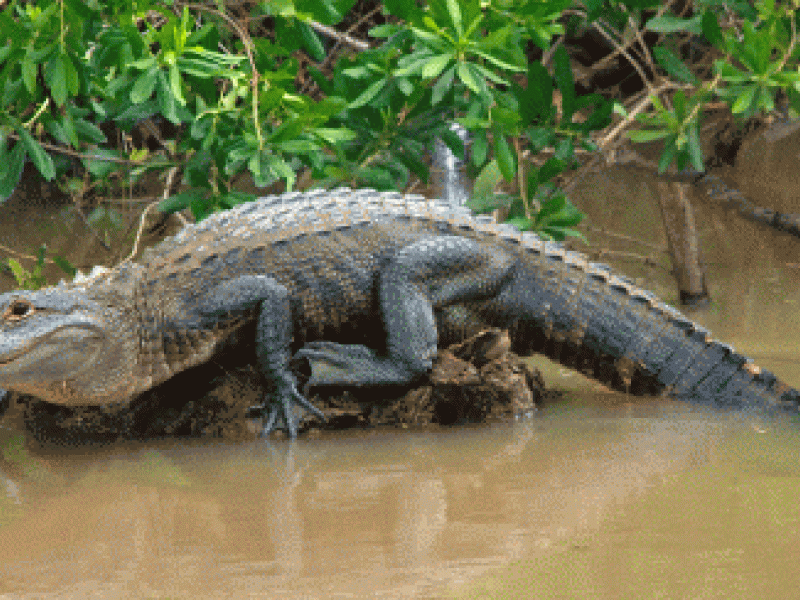


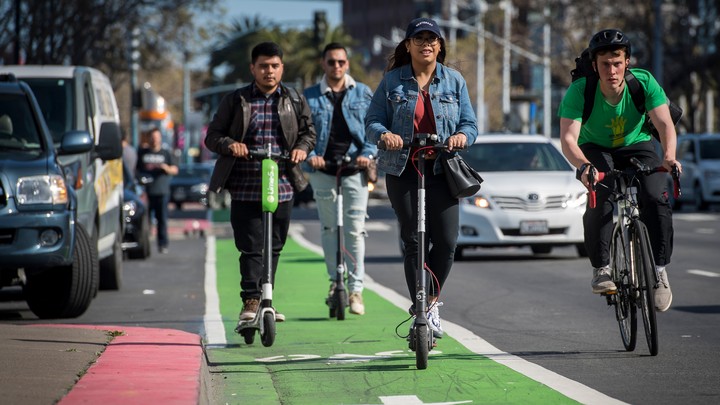





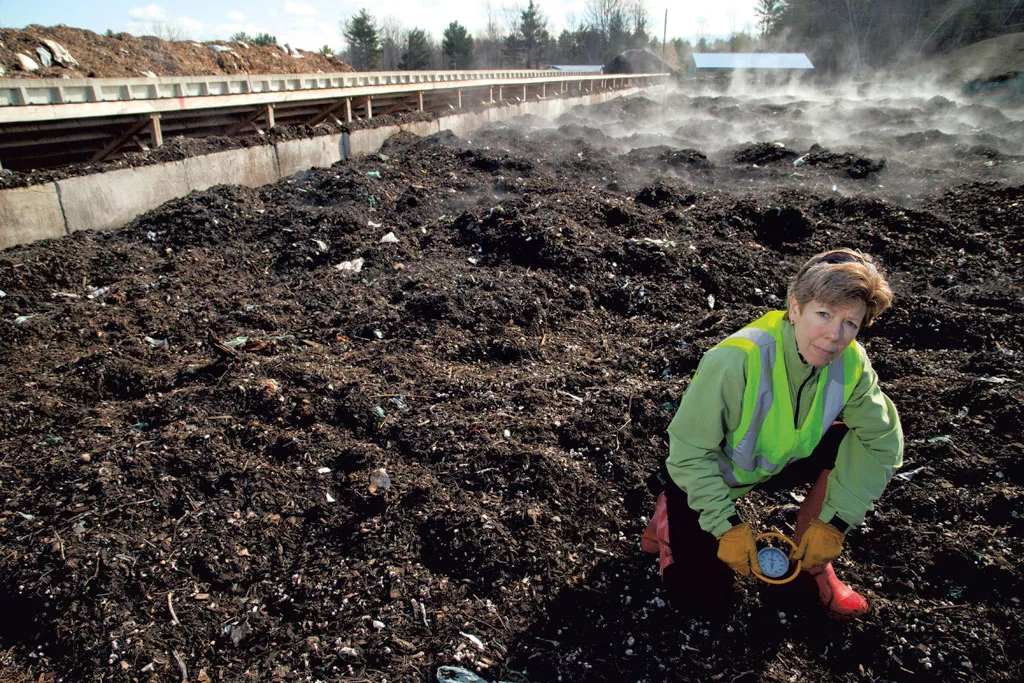


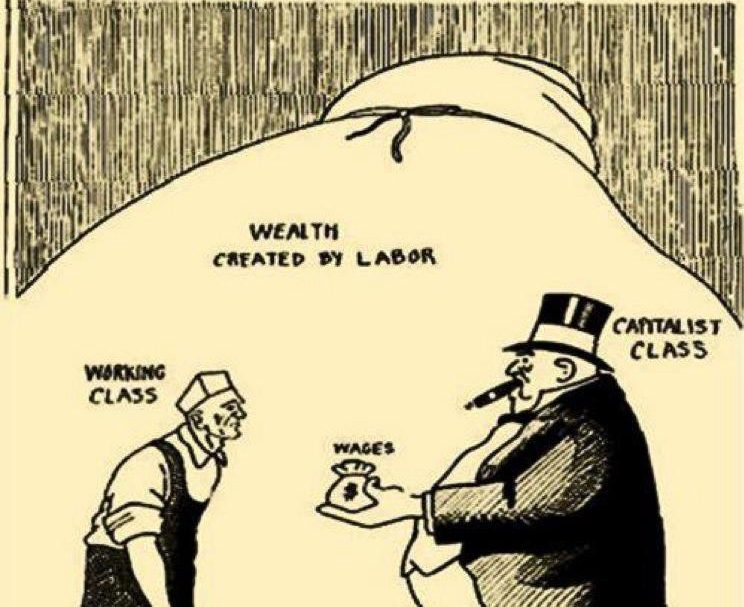
 Environmental Studies